When a loved one is diagnosed with cancer, the immediate reaction is often a frantic search for information. For common cancers, a quick internet search yields millions of results, support groups, and established treatment roadmaps.
But what happens when the diagnosis is a cancer so rare that even some doctors have never treated it?
Sarcomas are rare cancers that develop in the bones and soft tissues (including muscles, fat, blood vessels, and nerves). They account for only about 1% of all adult cancer diagnoses. Because of their rarity and complexity, the journey for a sarcoma caregiver is often defined by a profound sense of isolation and uncertainty.
Caring for someone with cancer is overwhelming—but you don’t have to navigate it alone. Visit the Cancer Caregiver’s Journey for practical guidance, planning tools, and support to help you care well and endure the road ahead.
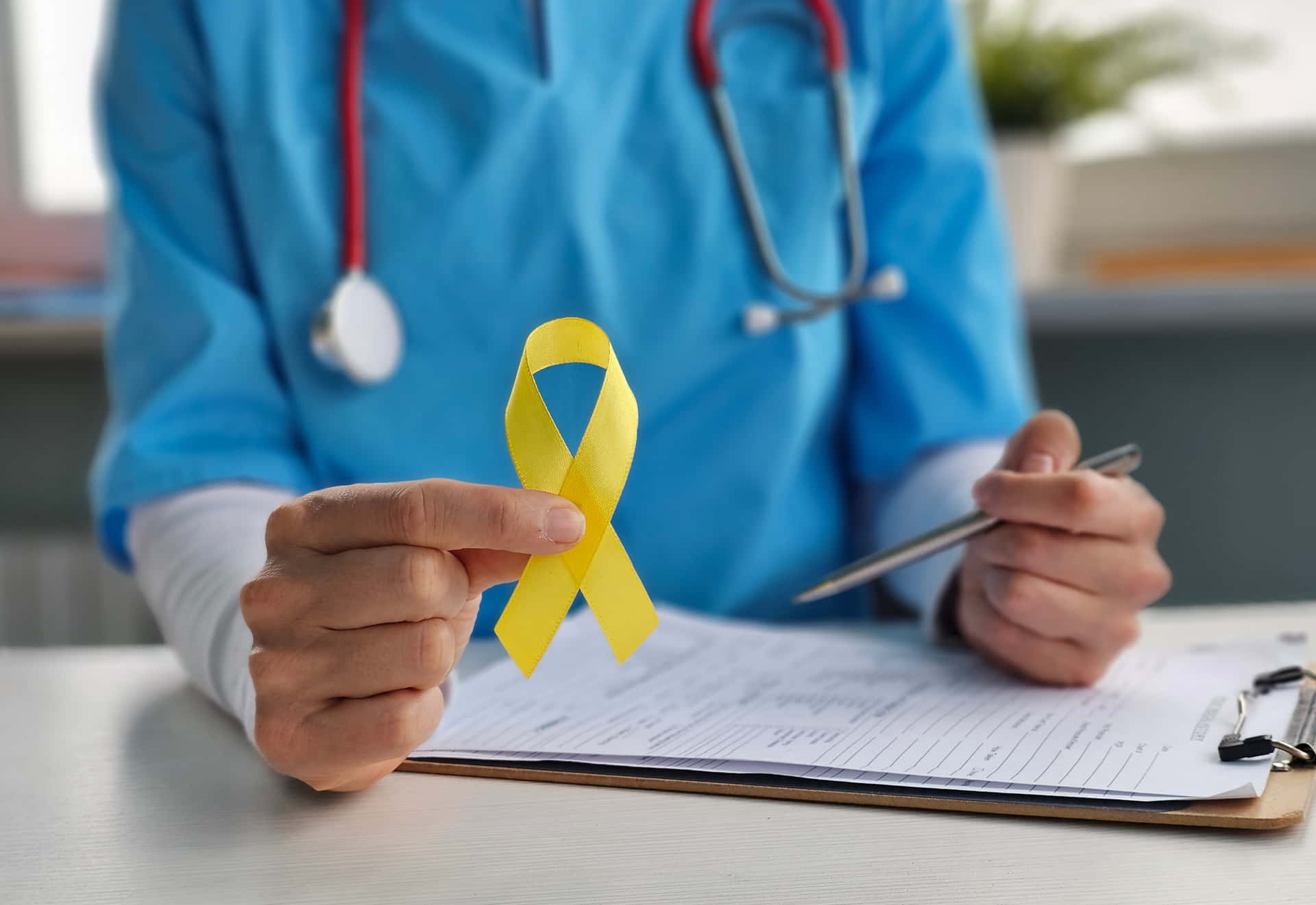
July is Sarcoma Awareness Month, and at Caring Men Global, we believe that no man should have to navigate the unknown alone. If you are stepping into the role of a sarcoma caregiver, here is your guide to managing the unique challenges of a rare diagnosis.
Because sarcomas are so uncommon, a general oncologist may only see one or two cases in their entire career. The most critical step you can take as a caregiver is ensuring your loved one is treated by a multidisciplinary team at a specialized sarcoma center.
Research shows that patients treated at high-volume specialty centers have significantly better outcomes. As the primary caregiver, you must become the chief advocate. Do not be afraid to ask for second opinions, request referrals to major academic research hospitals, or facilitate the transfer of medical records. Your persistence in finding a specialized team is your greatest weapon.
Sarcoma treatment is rarely straightforward. Because these tumors are often deeply embedded in muscles or wrapped around vital nerves and bone structures, treatment usually requires a highly coordinated, multi-modal approach.
Depending on the specific subtype of sarcoma, your loved one may face a combination of:
As a caregiver, you must master the "Battle Binder." You are now the project manager of their health. Track every medication schedule, log every side effect, and coordinate communication between the surgical oncologists, radiation oncologists, and physical therapists.
The hardest part of being a sarcoma caregiver is the lack of a built-in community. When you tell friends and family about the diagnosis, you will likely spend more time explaining what a sarcoma is than actually receiving emotional support.
You must actively fight this isolation. Seek out specific, rare-cancer support networks. Connect with organizations such as the Sarcoma Alliance or the Sarcoma Foundation of America, which offer patient- and caregiver-specific resources.
At Caring Men Global, we understand the immense pressure of caring for a loved one with a complex, life-threatening diagnosis. Our mission is to ensure you have the tools, the education, and the brotherhood you need to stand strong.
If you are feeling overwhelmed, take the first step today. Visit our Cancer Caregivers Journey page to find the resources you need to lead your household through this fight.
We rely on the generosity of our community to continue producing these vital, highly specific educational guides. Please consider joining our "Circle of Strength" by making a $10 monthly donation. Your support helps ensure no man ever has to walk onto the battlefield without a map.