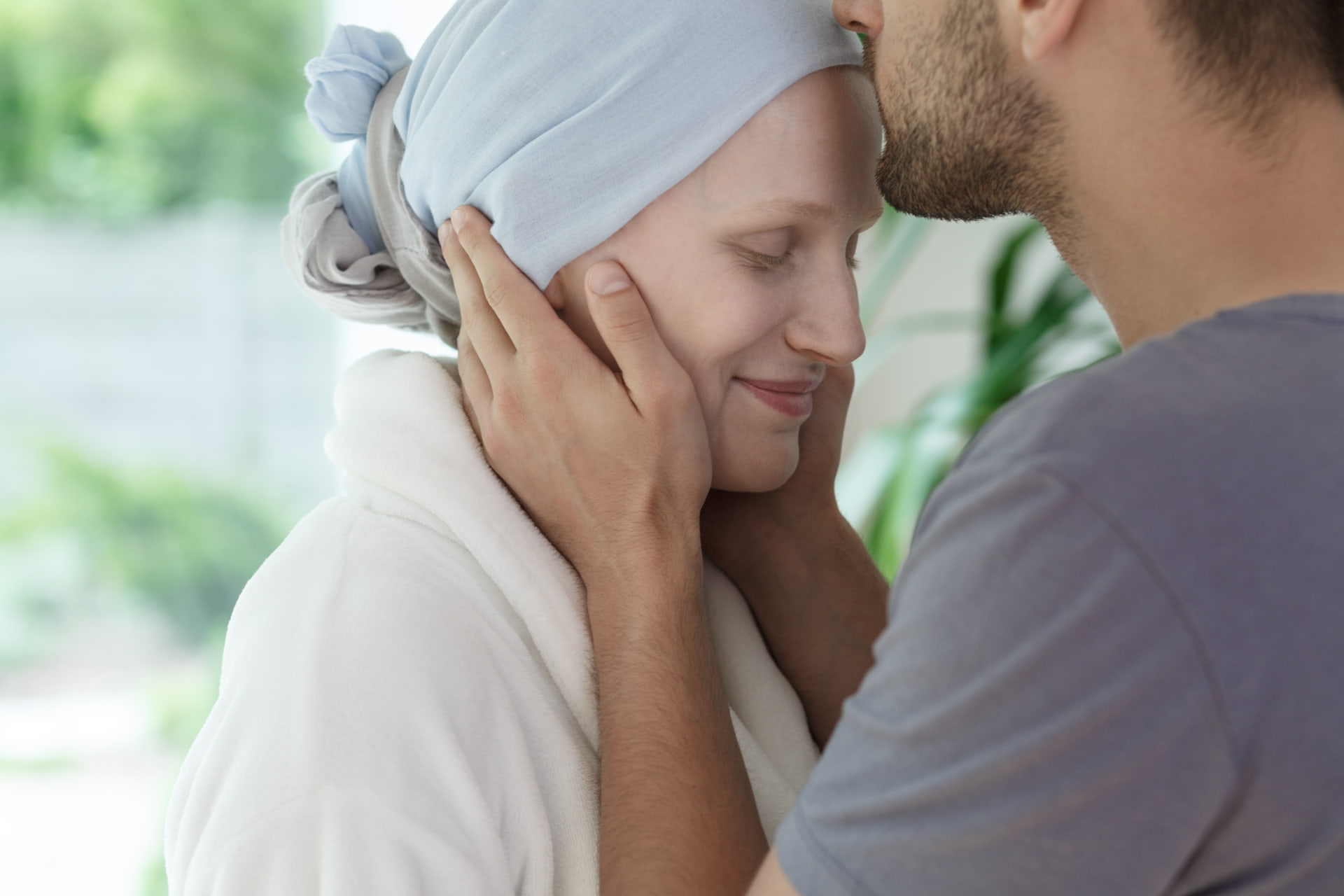
Effective caregiving begins with steadiness.
After cancer treatment, many survivors need more than medical follow-up. They may need help rebuilding routines, sorting through information, managing fatigue, staying connected, and regaining confidence. The caregiver often becomes the person who helps turn a confusing season into something more organized, stable, and manageable.
For many men, this role can feel unfamiliar. You may be used to solving problems quickly, making decisions, and measuring progress by visible results. Cancer recovery often moves more slowly. Some days call for action. Other days call for patience, listening, and quiet support.
Your role matters. You cannot control every outcome, but you can help create the kind of environment where your loved one is supported, informed, encouraged, and less alone.
One of the strongest things a caregiver can offer is reliable presence.
That may mean driving to appointments, sitting beside your loved one during difficult conversations, checking in after a hard day, or helping with ordinary household tasks. It may also mean knowing when to give space and allow your loved one to rest, think, or do something independently.
Presence does not always require big words or dramatic gestures. Often, it is communicated through small repeated actions: being there, following through, remembering what matters, and staying engaged when the first wave of crisis has passed.
Consistency builds trust. Over time, it tells your loved one, “You do not have to carry this by yourself.”
Cancer recovery often comes with details that are easy to lose track of: appointments, medications, symptoms, test results, insurance issues, follow-up instructions, household responsibilities, and family needs.
Effective caregivers help reduce confusion by bringing order to the practical side of care.
That might include:
These tasks may seem ordinary, but they can lower stress for the whole household. When practical details are organized, the survivor has more energy for healing, relationships, and daily life.
Good caregiving depends on clear communication.
With your loved one, that means asking what kind of support is actually helpful. Some survivors want reminders and hands-on help. Others want privacy, independence, and a sense of normalcy. Many want different kinds of support on different days.
Useful questions include:
With the medical team, communication means being prepared and specific. Bring written questions. Take notes. Describe symptoms clearly. Ask for explanations when something is confusing. Confirm the next step before leaving an appointment.
Caregivers do not need medical expertise to communicate well. They need attentiveness, honesty, and the willingness to ask when something is unclear.
Cancer can make a survivor feel as if life has become defined by appointments, symptoms, and limitations. Many survivors are eager to regain a sense of control after treatment.
A good caregiver supports that process.
Respecting independence may mean allowing your loved one to make decisions, do tasks at their own pace, and resume responsibilities when they are ready. It may also mean stepping in when fatigue, safety, symptoms, or medical instructions make support necessary.
The key is to treat your loved one as a whole person, not merely as a patient.
This can show up in simple ways: asking before helping, offering choices, including them in decisions, respecting their preferences, and remembering the parts of life that have nothing to do with cancer.
Caregiving often requires leadership, especially when stress is high.
Leadership in the home is not about taking over. It is about helping the family move through uncertainty with steadiness and direction.
A caregiver may lead by keeping routines in place, asking for help, encouraging follow-up care, protecting rest, preparing for appointments, or helping the family focus on the next right step instead of every possible worry.
Calm leadership sounds like:
When fear rises, a steady caregiver can help slow the moment down. That does not remove the seriousness of cancer recovery, but it helps the family respond with wisdom instead of panic.
Caregiving works best when the burden is shared.
Family members, friends, church communities, neighbors, coworkers, support groups, counselors, social workers, and medical professionals may all have a role to play. Some people can help with meals. Others can provide transportation, childcare, yard work, prayer, encouragement, or companionship.
Many people want to help but do not know what to offer. Specific requests make it easier for them to step in.
Instead of waiting until you are overwhelmed, consider asking for help with clear tasks:
Asking for help is a form of leadership. It protects the caregiver, supports the survivor, and allows others to participate in meaningful ways.
Caregivers need care too.
You may feel tired, frustrated, anxious, numb, impatient, or overwhelmed at times. These reactions are common. Cancer affects the whole household, and the person providing support often carries more than others can see.
Paying attention to your own limits helps you remain steady for the long haul.
That may mean getting enough sleep, exercising, talking with a trusted friend, praying, seeing a counselor, accepting practical help, or taking short breaks before exhaustion turns into burnout.
A caregiver who is rested, supported, and honest about his limits is usually better able to listen, think clearly, make decisions, and respond with patience.
Cancer recovery rarely follows a straight line. Some days will feel encouraging. Others will feel discouraging, repetitive, or uncertain.
Effective caregiving is built through faithful actions repeated over time: one appointment kept, one question asked, one meal prepared, one walk encouraged, one medication routine supported, one hard conversation handled with patience.
The daily work may not always feel impressive, but it matters.
You are helping create structure where there could be confusion. You are offering companionship where there could be isolation. You are helping your loved one face recovery with support instead of fear.
You cannot guarantee the road ahead. But you can walk it with steadiness, courage, and love.
