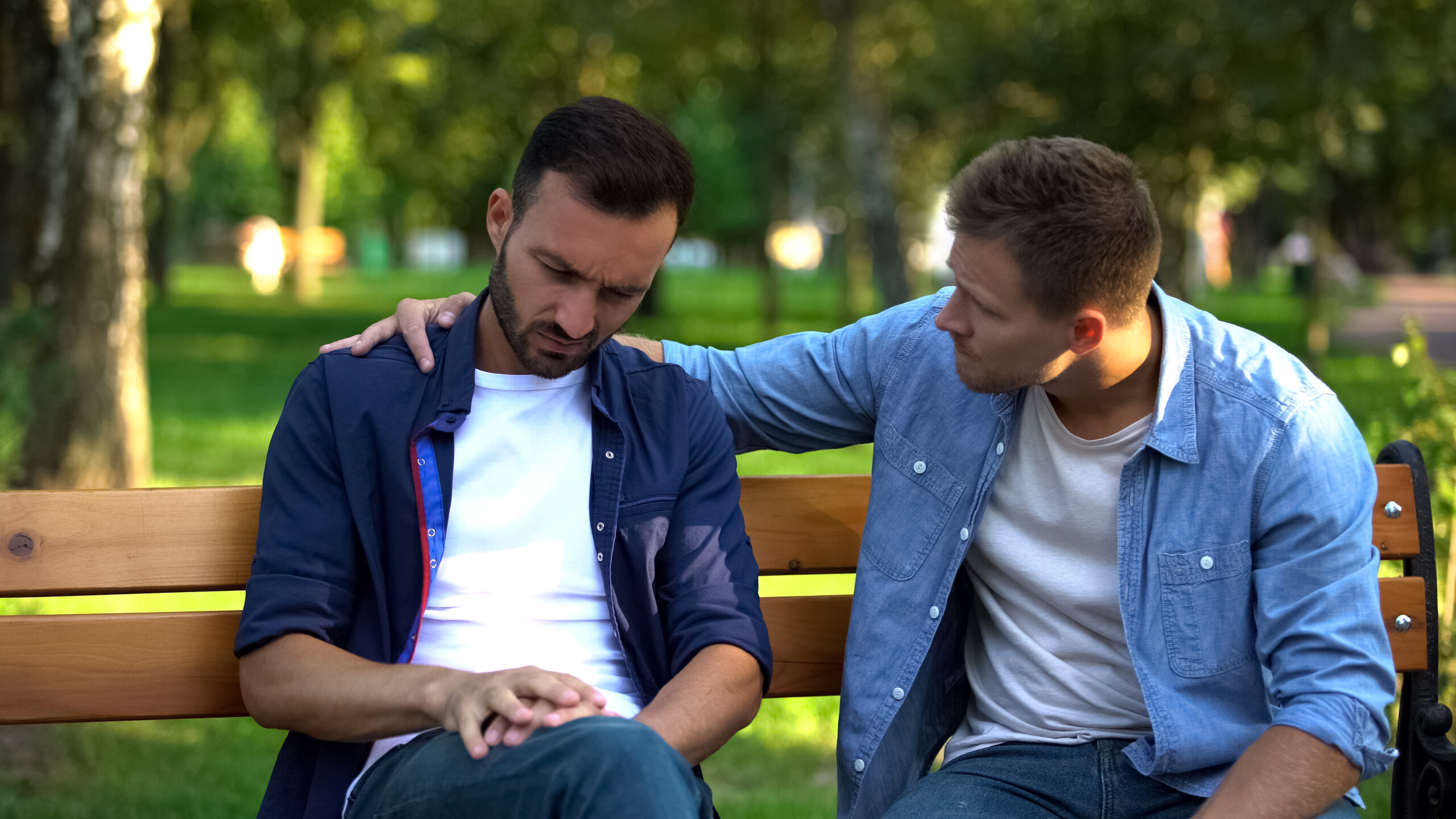
Caregiving often requires a delicate balance. Your loved one may need real help after cancer treatment, but they may also be working hard to regain independence, confidence, and a sense of normal life.
Good help strengthens the survivor. It makes daily life easier while still respecting their voice, choices, and dignity.
It is easy to assume you know what would help most. Sometimes you may be right. Other times, the survivor may experience help as pressure, criticism, or control.
A simple question can prevent misunderstanding:
Asking first shows respect. It also gives your loved one room to decide what kind of support they actually want.
Cancer can make life feel full of unwanted decisions and lost control. Offering choices helps restore a sense of agency.
Instead of saying, “You need to take a walk,” try, “Would you rather take a short walk now or after lunch?”
Instead of saying, “I’m calling the doctor,” try, “This symptom seems worth asking about. Would you like to call, or would you like me to?”
Choices do not need to be complicated. They simply remind the survivor that their preferences still matter.
There may be times when help is necessary. Medications, follow-up appointments, symptoms, nutrition, movement, and rest all matter during survivorship.
The goal is to support these priorities without turning every interaction into supervision.
A helpful caregiver might say:
This kind of support feels like a partnership rather than management.
The same action can feel caring or controlling depending on the tone behind it.
A reminder given with patience may be helpful. The same reminder given with frustration may feel like criticism. A suggestion offered gently may be welcome. The same suggestion repeated too often may feel like pressure.
Before stepping in, ask yourself:
Self-awareness helps keep support respectful.
Recovery often includes rebuilding strength and confidence. That can mean allowing your loved one to do tasks slowly, imperfectly, or differently than you would do them.
If a task is safe and meaningful, let them try. Independence is part of healing.
Step in when safety is at risk, medical instructions require it, or your loved one asks for help. Otherwise, support from nearby. Encouragement can be more helpful than taking over.
The right amount of help may change over time. Some days your loved one may need more support. Other days they may want more space.
A brief check-in can keep expectations clear:
These conversations help prevent resentment on both sides.
Helping without taking over is one of the most important caregiving skills. It allows you to provide real support while still honoring the survivor as a capable adult with a voice in their own life.
Your loved one may need assistance, encouragement, reminders, or protection at times. They also need respect, privacy, choice, and confidence.
The strongest caregiving does both. It steps in when needed, steps back when appropriate, and keeps asking, “How can I help in a way that strengthens you?”
