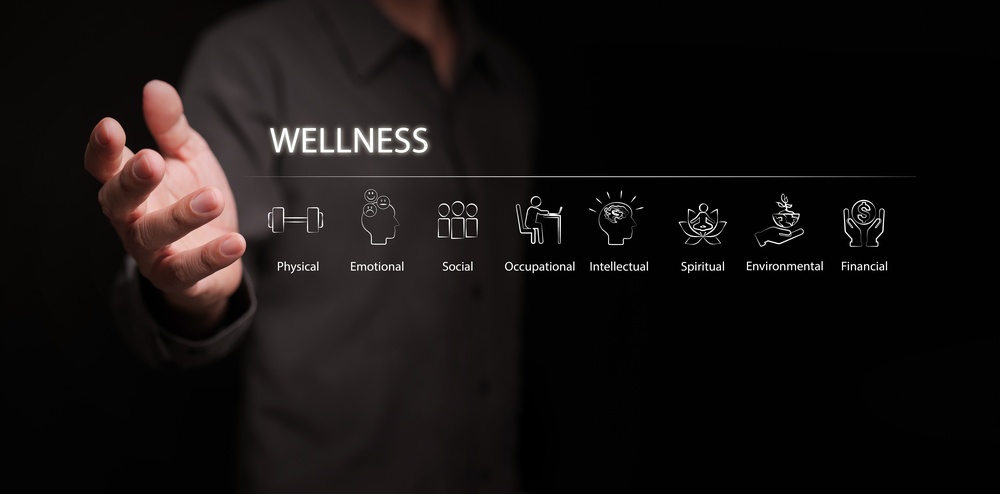
Cancer recurrence is never caused by one habit, one food, one stressful week, or one missed walk. Recurrence risk is shaped by many factors, including the type of cancer, stage at diagnosis, treatment response, genetics, age, and overall health.
Still, lifestyle matters. For many survivors, healthy daily habits may help lower the risk of recurrence, reduce the risk of a second cancer, improve energy, support emotional health, and protect against heart disease, diabetes, and other serious conditions.
No lifestyle plan can guarantee that cancer will not return. But consistent choices can help build the strongest possible foundation for long-term health.
Regular movement is one of the most important lifestyle habits for cancer survivors. Exercise can help reduce fatigue, improve mood, support healthy weight, maintain muscle, improve heart health, and help the body recover from treatment.
This does not have to mean intense workouts. Walking, light strength training, swimming, cycling, yard work, or stretching can all be helpful depending on the survivor's strength and medical guidance. The best exercise plan is one that is safe, realistic, and repeatable.
For caregivers, the goal is not to push. It is to encourage movement in a way that feels manageable. A short walk together may be more helpful than a complicated exercise plan that never happens.
Excess body weight has been linked with worse outcomes for several types of cancer. Body fat can affect hormones, inflammation, insulin levels, and other systems that may influence cancer risk and overall health.
That does not mean survivors should be pressured to lose weight quickly. After cancer treatment, the body may need time to rebuild strength, restore appetite, or recover from weight loss, fatigue, or medication effects.
A healthy approach focuses on gradual, sustainable habits: balanced meals, regular movement, better sleep, and medical guidance when needed. The goal is long-term health, not shame or crash dieting.
No single food prevents recurrence. No special diet can guarantee protection. But overall eating patterns do matter.
A healthy pattern usually emphasizes vegetables, fruits, beans, lentils, whole grains, nuts, lean proteins, and healthy fats. It also limits highly processed foods, sugary drinks, and frequent red or processed meats.
Caregivers can make a major difference here because food choices are often household choices. Keeping healthier options available, planning simple meals, and eating together can make good nutrition feel normal instead of burdensome.
Avoiding tobacco is one of the clearest and most important steps survivors can take.
Smoking after cancer treatment can increase the risk of developing cancer again, either in the same area or elsewhere in the body. It can also worsen heart disease, lung disease, circulation problems, wound healing, and overall recovery.
Quitting can be difficult, especially during a stressful season. But it is never too late to benefit. Caregivers can help by encouraging medical support, avoiding judgment, and treating quitting as a serious health goal rather than a simple matter of willpower.
Alcohol is linked to several types of cancer. For survivors, the safest choice may be to avoid alcohol, especially if their medical team recommends it.
If a survivor chooses to drink, it is wise to ask the doctor what limit is appropriate based on the type of cancer, medications, liver health, and overall risk profile.
Caregivers can help by making social settings easier. That may mean keeping appealing nonalcoholic drinks available, avoiding pressure to drink, or building family routines that do not center on alcohol.
Sleep is not always discussed as much as diet or exercise, but it plays an important role in recovery. Poor sleep can worsen fatigue, mood, pain, concentration, appetite, and motivation.
Sleep problems after cancer treatment are common. Pain, anxiety, medication side effects, hot flashes, bathroom trips, and fear of recurrence can all interfere with rest.
Good sleep habits may include a consistent bedtime, morning light, limited late caffeine, less screen time before bed, and a calmer evening routine. Ongoing sleep problems should be discussed with the healthcare team rather than dismissed.
Stress has not been proven to directly cause recurrence. Survivors should not be made to feel that anxiety, grief, anger, or fear will make cancer return.
But unmanaged stress can still affect recovery. It can disrupt sleep, reduce motivation, strain relationships, and make it harder to keep appointments, eat well, move regularly, or take medications as prescribed.
Healthy coping matters. Prayer, counseling, support groups, time outdoors, exercise, honest conversation, and help from trusted people can all reduce the burden. Emotional health is not separate from physical recovery.
Lifestyle change does not have to happen all at once. In fact, it usually works better when it starts small.
One walk. One better breakfast. One tobacco-free day. One follow-up appointment kept. One earlier bedtime. One honest conversation.
These choices may seem small, but repeated over time, they help shape a healthier life after cancer. As a caregiver, you cannot control the outcome. But you can help make healthy choices easier, steadier, and more normal for the person you love.
