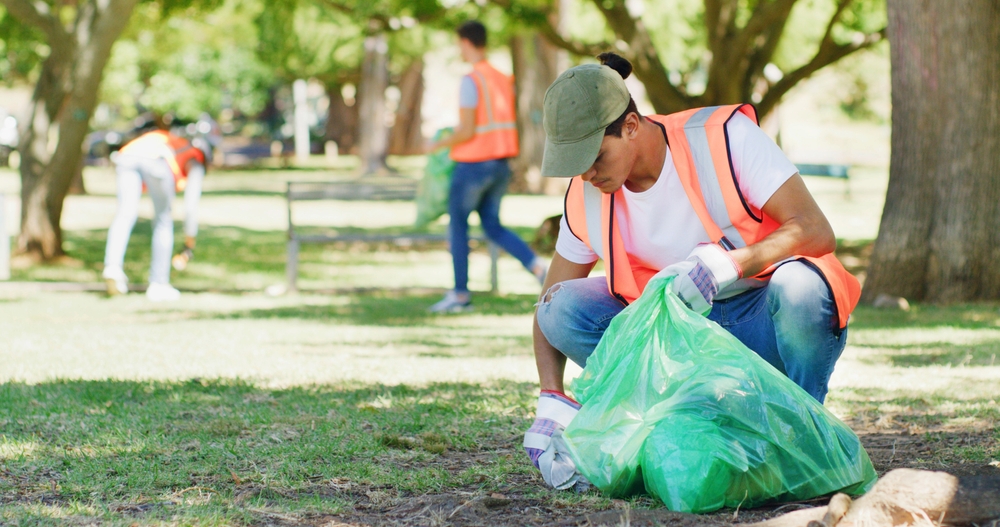
Volunteers can make cancer recovery less isolating by meeting practical needs that families often struggle to carry alone.
A ride to an appointment, a meal after a long day, help with yard work, a quiet visit, or a weekly check-in can bring real relief to a survivor and caregiver. Many people want to help when someone in their community has cancer, but they may not know where to begin. A clear volunteer role gives that concern a useful direction.
Volunteer support works best when it is practical, respectful, and coordinated. Families need help that reduces pressure rather than adding more decisions, more messages, or more explanations.
Good volunteer work begins by asking what the family actually needs.
Some families need transportation. Others need meals, childcare, home repairs, grocery pickup, prayer support, help with paperwork, or someone to sit with the survivor while the caregiver rests. Needs may change as treatment ends and recovery begins. During one season, the family may need frequent help. Later, they may need lighter but more consistent support.
A volunteer coordinator or trusted friend can ask simple questions:
These questions help volunteers serve in ways the family can actually use.
Meals are one of the most common and helpful volunteer opportunities.
Cancer recovery can disrupt appetite, energy, schedules, and household routines. A prepared meal can remove one decision from a difficult day. Meal support is especially helpful after appointments, scans, hospital stays, or treatment-related fatigue.
Volunteers should ask about food preferences, allergies, dietary restrictions, delivery times, and whether the family wants a visit or a quiet drop-off. Simple, familiar meals are often better than complicated dishes.
A meal calendar can prevent five casseroles from arriving in one week and nothing arriving the next. It also protects the caregiver from having to answer every offer individually.
Appointments can place a heavy burden on the household, especially when the caregiver is working, children need care, or the cancer center is far from home.
Transportation volunteers may help with rides to follow-up visits, lab work, scans, physical therapy, support groups, pharmacy trips, or community events. This role requires reliability. A missed ride can create stress quickly.
Volunteers should confirm the time, location, expected wait, contact number, and whether the survivor needs help walking, checking in, or carrying items. Some families may prefer that a caregiver or family member handle medical visits, while volunteers help with errands or non-medical transportation.
Respect the family’s preference.
Practical home support can bring major relief.
Volunteers may help with mowing, snow removal, leaf cleanup, minor repairs, laundry, dishes, cleaning, trash pickup, grocery runs, or organizing a room so recovery supplies are easier to manage. These tasks may seem ordinary, but they often become overwhelming when a family is managing fatigue, appointments, and emotional stress.
This kind of help is especially valuable because it does not require the survivor to explain medical details. A volunteer can simply show up, complete the task, and leave the household lighter than before.
Cancer affects children even when adults try to shield them from the hardest details.
Volunteers may help by providing rides to school or activities, babysitting during appointments, bringing a child to church or youth group, helping with homework, or planning a simple family activity that fits the survivor’s energy.
Any volunteer role involving children should be handled carefully. Churches and organizations should follow their normal child-safety policies, background check requirements, supervision rules, and parent permissions. The goal is to support the family while keeping children safe and secure.
Some of the most important volunteer work is simple presence.
A survivor may appreciate a short visit, a phone call, a walk, a cup of coffee, or someone who can sit quietly without making every conversation about cancer. A caregiver may need someone to ask how he is doing and listen without rushing to advice.
Companionship works best when it respects energy and privacy. A helpful visit may last twenty minutes. A helpful check-in may be a short text that says, “Thinking of you today. No need to reply.”
Volunteers should avoid pressing for medical updates, comparing cancer stories, offering unrequested treatment opinions, or overstaying when the family is tired.
Some volunteers are especially helpful behind the scenes.
They may coordinate meal calendars, manage approved updates, organize transportation, print resources, prepare packets for caregiver groups, set up community events, help with registration, or maintain a list of local support services.
This type of support can be a good fit for someone who is organized but may not be comfortable providing direct emotional care. It also protects the caregiver from becoming the manager of everyone else’s goodwill.
A reliable administrative volunteer can make the whole support system easier to use.
Community programs need volunteers too.
A church, nonprofit, or local group may need help hosting caregiver cohorts, wellness days, support gatherings, educational events, prayer nights, family meals, or resource fairs. Volunteers may set up tables, greet attendees, prepare coffee, distribute handouts, guide parking, help with childcare, clean up afterward, or follow up with families who requested support.
These roles may seem small, but they help create welcoming spaces where caregivers and survivors can find connection.
A well-run event often depends on volunteers who are willing to handle practical details quietly and faithfully.
Volunteers should understand their limits.
They should not give medical advice, interpret symptoms, recommend supplements or alternative treatments, pressure the family about decisions, share private information, or speak for the survivor without permission.
Privacy matters. If a family shares a diagnosis, appointment result, fear, or financial concern, that information should not be repeated unless the family has clearly approved it.
Volunteers should also respect timing. Recovery can be unpredictable. A visit that sounded good on Monday may feel like too much by Thursday. A gracious volunteer can adjust without taking it personally.
A person who wants to volunteer can begin simply.
Start with one family, one caregiver group, or one local cancer organization. Ask what help is needed. Offer something specific. Follow through.
Possible first steps include:
Small acts of service can become part of a larger culture of care.
Families affected by cancer do not need volunteers to be impressive. They need volunteers to be dependable.
Return the call. Arrive on time. Keep the visit short if needed. Follow the family’s instructions. Protect privacy. Complete the task you offered to do. Ask before giving advice. Make support easier to receive.
Volunteer service can help survivors stay connected, help caregivers breathe, and help communities respond to cancer with more than sympathy.
A good volunteer does not try to carry the whole burden. He simply carries the part that has been entrusted to him.
