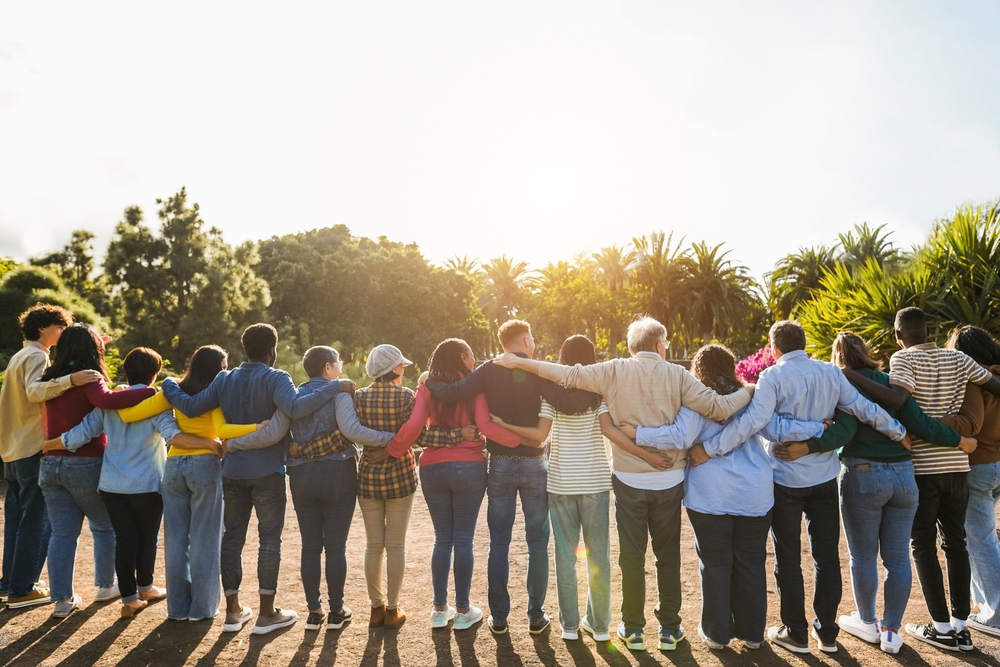
Families affected by cancer often need more support than one household can provide. Friends, churches, nonprofits, workplaces, hospitals, and community groups may all want to help, but support becomes more useful when it is organized, practical, and respectful.
Here, you’ll learn how communities can serve caregivers and survivors in concrete ways. The focus is on caregiver leadership cohorts, community wellness days, caregiver advocacy, volunteer opportunities, and local programs that connect families with help. Strong community support does not replace medical care. It surrounds the family with meals, rides, companionship, education, prayer, respite, and practical tools that make the recovery season less isolating.
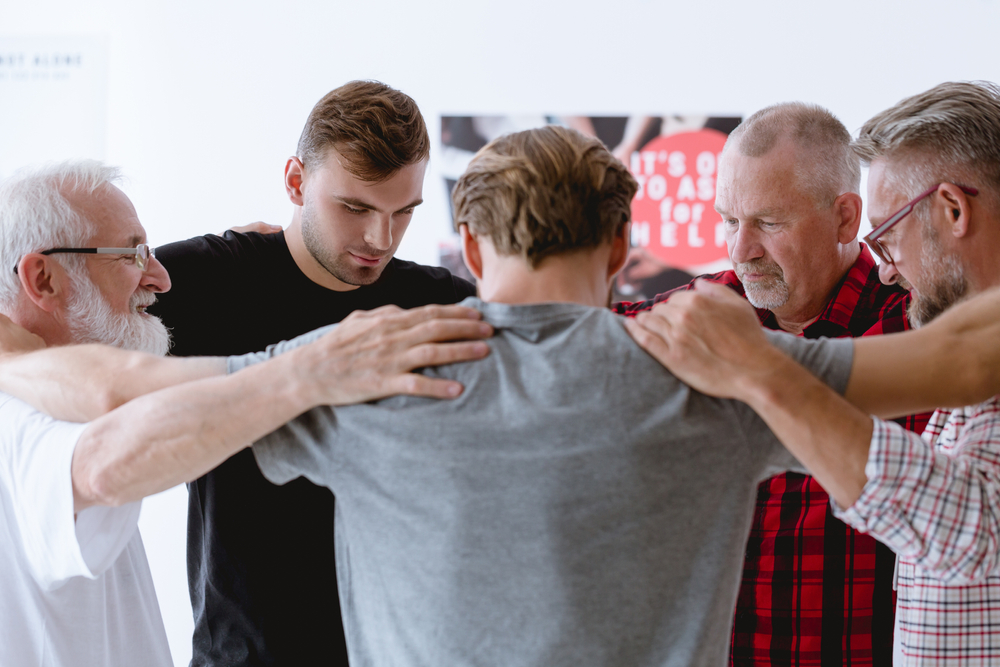

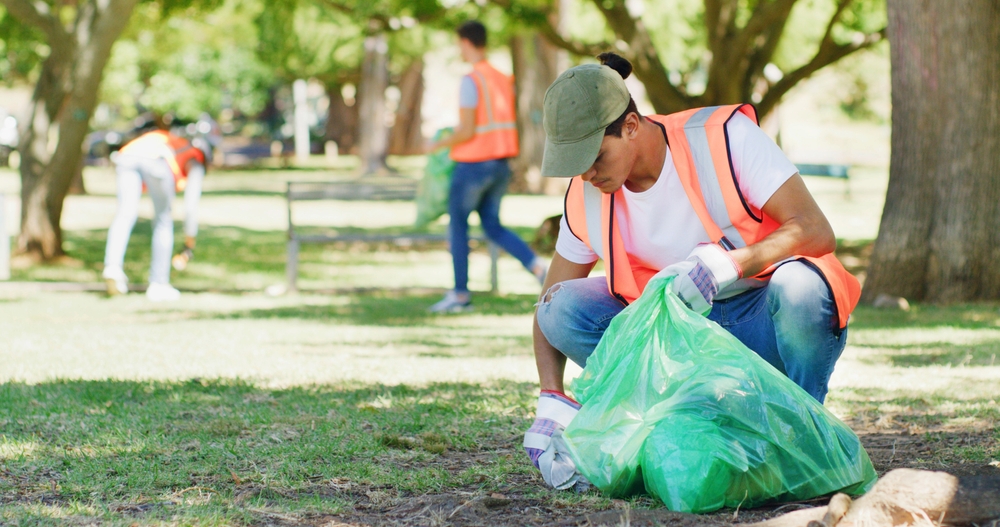
Community programs help turn concern into practical care. You can support caregivers and survivors by connecting them with groups, volunteers, local resources, and steady relationships. Strong communities notice the burden early and help families carry it over time.
