Early Warning Signs

After cancer treatment, every new symptom can raise questions. Some changes are expected during recovery. Others need prompt medical attention. Caregivers can play an important role by noticing patterns, writing down details, and helping the family communicate clearly with the care team.

Here, you’ll learn how to watch for important changes without living in constant alarm. The focus is on symptoms that should not be ignored, tracking fatigue, pain, weight, and mood, knowing when to call a doctor, and understanding how bloodwork and scans fit into follow-up care. The goal is not to diagnose problems at home. The goal is to notice changes early, report concerns clearly, and avoid relying on memory or guesswork.


Symptoms That Should Never Be Ignored

A cancer survivor does not need to live in constant fear of every ache, cough, or tired day. The body can take months or longer to recover from treatment, and many symptoms have causes that are not cancer. Still, some symptoms deserve prompt attention. The caregiver’s role is not to diagnose the problem, but to…

Tracking Changes Over Time

A single symptom can be hard to interpret. A pattern is often more useful. After cancer treatment, survivors may have good days, tired days, new aches, changing appetite, sleep problems, mood shifts, or side effects that come and go. Many of these changes are part of recovery. Others deserve a call to the medical team.…

Monitoring Fatigue, Pain, Weight, and Mood

The previous article explained why tracking changes over time helps families turn vague concern into useful information. This follow-up focuses on four areas that deserve special attention after cancer treatment: fatigue, pain, weight, and mood. These metrics matter because they affect daily life quickly. They can influence sleep, movement, appetite, relationships, follow-up care, and the…

When to Call a Doctor

A caregiver does not need to know what every symptom means. He does need to know when a symptom deserves medical attention. After cancer treatment, some changes can be watched and discussed at the next visit. Others should be reported quickly. A few require emergency care. Knowing the difference can help the survivor get care…

Understanding Bloodwork and Scans

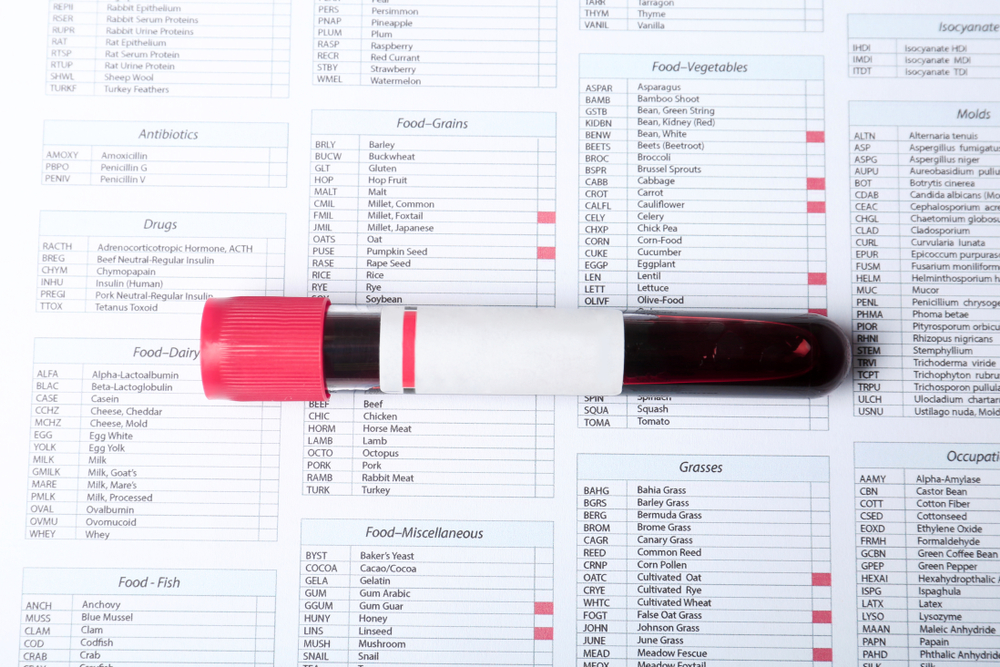
Bloodwork and scans are part of follow-up care for many cancer survivors. They give the medical team information that cannot always be seen from symptoms alone, and they can help doctors watch for recurrence, monitor side effects, check organ function, and make decisions about the next step in care. For caregivers, these tests can bring…

Early warning signs are easier to handle when the family has a simple tracking system and a clear plan for when to call. You can help by recording changes, bringing organized notes to appointments, and contacting the care team when something feels concerning. Clear information supports better decisions.

Welcome, Cancer Caregivers!

The Cancer Caregivers Network™ is a free, searchable resource of cancer healthcare professionals and related support services in your area and across the country.
Cancer Caregivers Network
crosschevron-downchevron-leftchevron-right