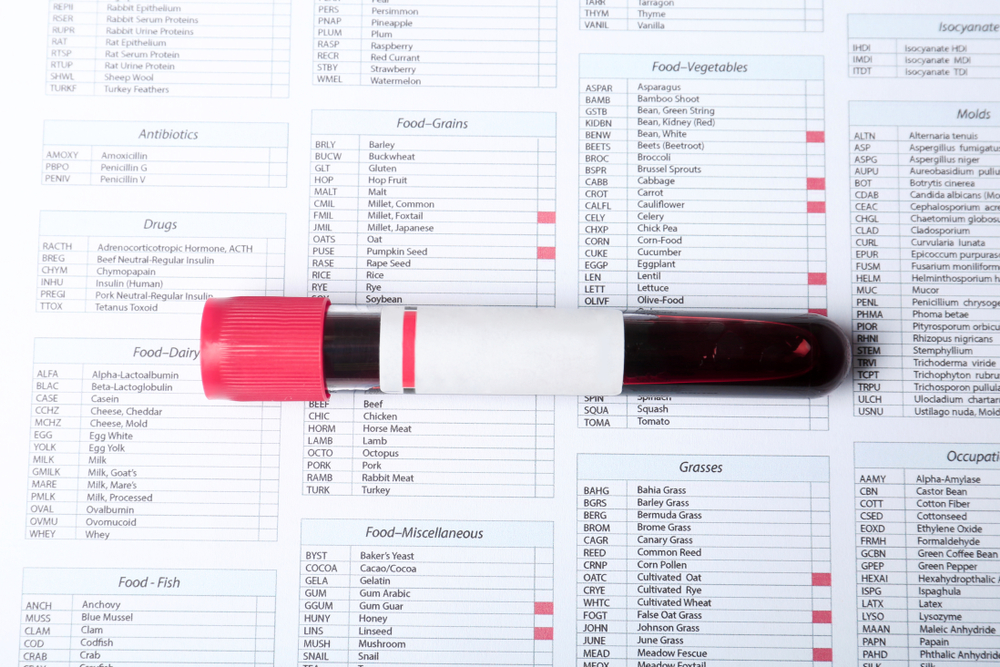
Bloodwork and scans are part of follow-up care for many cancer survivors. They give the medical team information that cannot always be seen from symptoms alone, and they can help doctors watch for recurrence, monitor side effects, check organ function, and make decisions about the next step in care.
For caregivers, these tests can bring both reassurance and anxiety. A normal result may help everyone breathe easier. An unexpected number or unclear scan report can raise fear quickly, especially if the family sees results in a patient portal before the doctor has explained them.
The goal is to understand what these tests can show, what they cannot show, and how to talk about results with the care team.
There is no single follow-up testing schedule that applies to every cancer survivor.
The type of cancer, stage at diagnosis, treatment received, surgery history, medications, symptoms, recurrence risk, and overall health all affect which tests are recommended. One survivor may need regular imaging. Another may need bloodwork and physical exams. Another may need a specific screening test at set intervals.
This is why the follow-up care plan matters. It should explain which tests are expected, how often they may happen, and what symptoms should be reported between visits.
A useful caregiver question is:
“Which blood tests or scans are part of the regular follow-up plan, and what is each one meant to check?”
That question helps the family understand the purpose of testing instead of treating every lab draw or scan as a mystery.
Bloodwork can provide a broad picture of the survivor’s health. Depending on the cancer and treatment history, doctors may order different tests.
A complete blood count, often called a CBC, looks at red blood cells, white blood cells, and platelets. It can help identify anemia, infection risk, inflammation, or bleeding concerns.
A metabolic panel looks at areas such as kidney function, liver function, electrolytes, protein levels, and blood sugar. This can be important after treatment, especially if medications, dehydration, nutrition changes, or organ strain are concerns.
Some survivors may have hormone levels, thyroid tests, vitamin levels, or other labs checked depending on symptoms and treatment history.
In certain cancers, doctors may also use tumor markers. These are substances that may be higher when some cancers are active. Tumor markers are not used the same way for every cancer, and they are not always reliable by themselves. Some survivors never need them. Others may have them checked regularly as part of the follow-up plan.
One abnormal lab result can be alarming, but a single number rarely tells the whole story.
Lab values can change for many reasons: dehydration, infection, medications, recent exercise, nutrition, inflammation, kidney or liver function, or normal variation. Some abnormal results are mild and temporary. Others need more attention.
Doctors often look at trends. Is the number stable, rising, falling, or changing quickly? Does it match the survivor’s symptoms? Has this happened before? Is it expected after treatment? Does it require repeating the test?
Caregivers can help by avoiding instant conclusions. If a result appears abnormal in the portal, write it down and ask the care team what it means in context.
Helpful questions include:
Context turns a number into useful information.
Scans allow doctors to look inside the body. The type of imaging depends on what the medical team needs to see.
A CT scan can show detailed images of organs, lymph nodes, bones, and other structures. MRI is often useful for soft tissues, the brain, spine, joints, or certain organs. PET scans can show areas of increased metabolic activity and may be used in specific cancers or situations. Ultrasound can examine certain organs, lymph nodes, blood flow, or fluid collections. X-rays may be used for bones, lungs, or certain symptoms. Mammograms, colonoscopies, and other screening tests may also be part of follow-up depending on the original cancer and general screening needs.
More imaging is not always better. Scans can lead to extra radiation exposure, false alarms, unclear findings, additional testing, cost, and anxiety. The medical team weighs the benefits and downsides when deciding what is appropriate.
Caregivers should ask what the scan is for and how the result will be used.
Patient portals often release scan reports quickly. That can be helpful, but it can also be stressful.
Radiology reports are written for medical professionals. They may include terms that sound frightening even when the doctor is not worried. Words such as lesion, nodule, uptake, opacity, enlarged, indeterminate, or nonspecific can create panic when read without explanation.
A report may also mention old findings, scars, treatment changes, inflammation, cysts, arthritis, infection, or benign changes. Some findings simply need comparison with prior scans.
If a report is unclear, wait for the care team’s interpretation when possible. If the result appears urgent or the survivor has serious symptoms, call.
A practical caregiver response is:
“We have the report, but we need the doctor to explain what it means for this specific case.”
That keeps the family from trying to interpret technical language alone.
Normal bloodwork or a clear scan is good news, but it does not mean every symptom should be ignored until the next scheduled visit.
Some problems do not show up clearly on routine tests. Other issues may develop between appointments. Pain, weight loss, fever, breathing changes, bleeding, swelling, confusion, or severe fatigue still deserve attention when they are new, worsening, persistent, or concerning.
The follow-up plan should guide what to report and when. The care team should also explain which symptoms matter most for the survivor’s specific cancer and treatment history.
A caregiver can help by connecting test results with daily life:
“The scan was stable, but his fatigue is still much worse than last month. Should we look for another cause?”
That kind of question helps the team keep the whole person in view.
An abnormal blood test or scan finding can have many explanations.
Infection, inflammation, scar tissue, medication effects, healing from surgery or radiation, benign growths, dehydration, anemia, kidney or liver changes, and other health conditions can all affect results.
Sometimes an unclear result leads to repeat bloodwork, follow-up imaging, a biopsy, a referral, or a watch-and-wait plan. Waiting for more information can be difficult, but it is often part of careful medicine.
Caregivers can help the family avoid racing too far ahead. The right next question is usually:
“What do we know, what do we not know yet, and what is the next step?”
Testing days can stir up fear even when the survivor feels well. The anxiety around scans and bloodwork is real, and many families feel it.
Preparation can lower some of the pressure.
Before the test, confirm the location, arrival time, fasting instructions, medication instructions, insurance details, and whether contrast dye will be used. Bring a medication list and any relevant notes about symptoms. Ask when results are expected and who will explain them.
After the test, decide ahead of time whether the survivor wants to read portal results immediately or wait for the doctor’s explanation. Different families handle this differently. The important thing is to avoid making a stressful decision in the moment.
Caregivers can help by keeping a short list of practical questions:
These questions help turn testing into a clearer part of the care plan.
Bloodwork and scans are tools. They help the care team gather information, compare changes over time, and make better decisions. They are most useful when combined with symptoms, physical exams, treatment history, and the survivor’s overall condition.
A caregiver does not need to interpret lab values or scan reports alone. His role is to help prepare, keep records, ask clear questions, track symptoms, and make sure the family understands the next step.
Testing can bring anxiety, but it can also bring direction. When bloodwork and scans are understood in context, they become less like unknown threats and more like part of a careful plan for watching over recovery.
