Healthy recovery is easier when the household makes good choices the normal choices.
After cancer treatment, the survivor may be trying to eat better, move more, sleep well, reduce stress, keep appointments, and regain strength. Those goals are harder when the home environment works against them. A pantry full of low-nutrition snacks, late-night screens, irregular meals, skipped follow-up reminders, and constant stress can make healthy living feel like a daily fight.
Caregivers can help by shaping the household rhythm. The goal is to make healthy habits visible, shared, and easier to repeat.
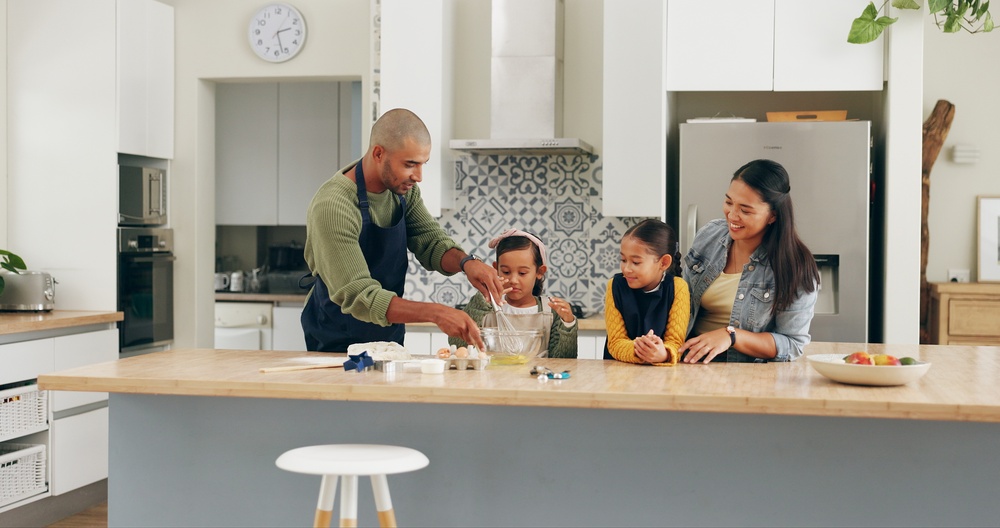
A survivor should not feel singled out as the only person who needs to live differently. Most cancer-prevention habits are good for the entire family: better meals, more movement, stronger sleep routines, less tobacco exposure, lower alcohol pressure, calmer evenings, and more consistent medical follow-through.
When the household participates, healthy change feels less like punishment and more like family life.
That might mean everyone drinks more water with dinner, everyone takes a short walk when possible, everyone keeps healthier snacks available, and everyone helps protect a calmer bedtime routine. The survivor still has individual medical needs, but the family can share the habits that support long-term health.
A household habit works best when it reduces the need for constant willpower.
Keep fruit visible. Put water where people will drink it. Keep walking shoes near the door. Place medications and appointment notes where they fit the family’s routine. Prepare a few simple meals that can be repeated on busy nights. Make the bedroom easier to sleep in by reducing noise, light, and late-night disruption.
Small changes in the environment can make a noticeable difference. A family that keeps washed fruit, yogurt, nuts, soup ingredients, whole-grain bread, and simple proteins available is more likely to eat well when the day becomes tiring. A family that keeps the calendar updated is less likely to scramble before appointments.
Good habits often begin with fewer obstacles.
Healthy habits are easier to maintain when they attach to something the household already does.
Add a short walk after dinner. Review the medical calendar on Sunday evening. Put medications next to an existing morning routine, if the care team’s instructions allow it. Prepare water bottles while packing lunches. Add vegetables to familiar meals instead of trying to invent a completely new way of eating.
This approach helps the family improve without feeling as if every part of life has to be redesigned.
A caregiver might ask, “Where does this habit fit naturally?” That question is more useful than simply telling everyone to try harder.
Defaults are decisions made ahead of time.
A household might decide that water is the usual drink at dinner, weeknight meals stay simple, walks happen after supper when weather allows, phones leave the bedroom at a certain time, and medical questions go into one shared note or notebook.
Defaults reduce decision fatigue. They also help children know what to expect.
The family does not need strict rules for every situation. A few reliable defaults can carry much of the week. When an appointment day, hard symptom day, or busy evening interrupts the routine, the family can return to the default the next day without treating the interruption as failure.
Healthy eating after cancer does not require a perfect menu.
Most families need a dependable rotation of meals they can make when energy is low. Think in terms of repeatable patterns: soup and whole-grain bread, eggs with vegetables, beans and rice, chicken with vegetables, pasta with tomato sauce and added greens, tacos with beans and salsa, yogurt with fruit, or simple sheet-pan meals.
Caregivers can help by keeping a short grocery list of foods that support quick meals. Frozen vegetables, canned beans, oats, eggs, fruit, nuts, whole grains, yogurt, fish, poultry, and simple salad ingredients can make healthy meals easier without requiring a major cooking project.
The best meal plan is one the family can still follow during a difficult week.
Physical activity does not have to look like formal exercise every day.
For many families, movement begins with short walks, gentle stretching, yard work, light chores, family bike rides, outdoor play, or walking during a phone call. The survivor’s medical instructions and energy level should guide what is safe.
Caregivers can make movement more natural by joining in rather than only reminding. A simple invitation often works better than pressure:
“I’m going to walk for ten minutes. Want to come with me?”
If the survivor is tired, shorten the activity. If a day is missed, restart. The household habit is the repeated return to movement, not a perfect streak.
Recovery is harder when the household runs on exhaustion.
A healthier sleep routine may include a steadier bedtime, less late-night screen use, fewer evening arguments, earlier preparation for the next day, and a quieter room. Children may need clearer evening expectations. Caregivers may need to stop using late nights as the only time to catch up on tasks.
Rest matters for the survivor, but it also matters for the caregiver. A tired caregiver is more likely to become impatient, forget details, or carry stress poorly.
A household that protects sleep is protecting recovery.
Healthy habits are difficult to sustain in a home that feels constantly tense.
Cancer recovery can bring fear, irritability, grief, scan anxiety, and fatigue. Families will have hard days. Still, the caregiver can help create a steadier tone by slowing down tense moments, writing down concerns instead of arguing through them, asking for help sooner, and making room for quiet.
Simple practices can help: a Sunday check-in, prayer before appointments, a short walk after stressful conversations, one screen-free family meal, or a shared list of what needs attention this week.
A calmer home makes other habits easier to keep.
Children can participate in household habits without carrying adult responsibility.
They can help choose a vegetable, fill water bottles, mark walks on a calendar, help with simple chores, pick a family activity, or pray for an appointment. These small roles help them feel included while keeping the medical responsibility with the adults.
Use clear language: “We are helping our family practice healthy habits. The doctors and grown-ups are responsible for the medical care.”
That distinction protects children from feeling responsible for the survivor’s recovery.
A household habit should serve the family. If it creates constant stress, adjust it.
Once a week or once a month, ask a few practical questions:
These conversations keep the plan flexible. Recovery changes over time, and the household routine may need to change with it.
Most families do better with one or two changes at a time.
Begin with a habit that is simple, useful, and easy to repeat: water at dinner, a ten-minute walk, a weekly calendar review, fruit on the counter, medications checked every Sunday, or screens off fifteen minutes earlier.
Small habits may not feel impressive at first. Over time, they change the atmosphere of the home.
A caregiver helps by making healthy choices easier, steadier, and more shared. When the household moves together, recovery feels less isolated and healthy living becomes part of ordinary family life.
