Family & Faith Resources

Cancer recovery does not happen only between the survivor and the medical team. It affects meals, schedules, parenting, marriage, routines, emotions, church life, and the way the family supports one another. Children may have questions. Spouses may feel strain. Caregivers may need help from people outside the home.

Here, you’ll learn how to care for the household around the survivor. The focus is on helping children understand recovery, building family wellness habits, accessing community, church, and faith-based support, and creating routines that make daily life steadier. Family support works best when it is honest, practical, age-appropriate, and shared. No one in the household should have to carry the whole recovery season alone.
Building Healthy Household Habits

Healthy recovery is easier when the household makes good choices the normal choices. After cancer treatment, the survivor may be trying to eat better, move more, sleep well, reduce stress, keep appointments, and regain strength. Those goals are harder when the home environment works against them. A pantry full of low-nutrition snacks, late-night screens, irregular…

Family Wellness Challenges

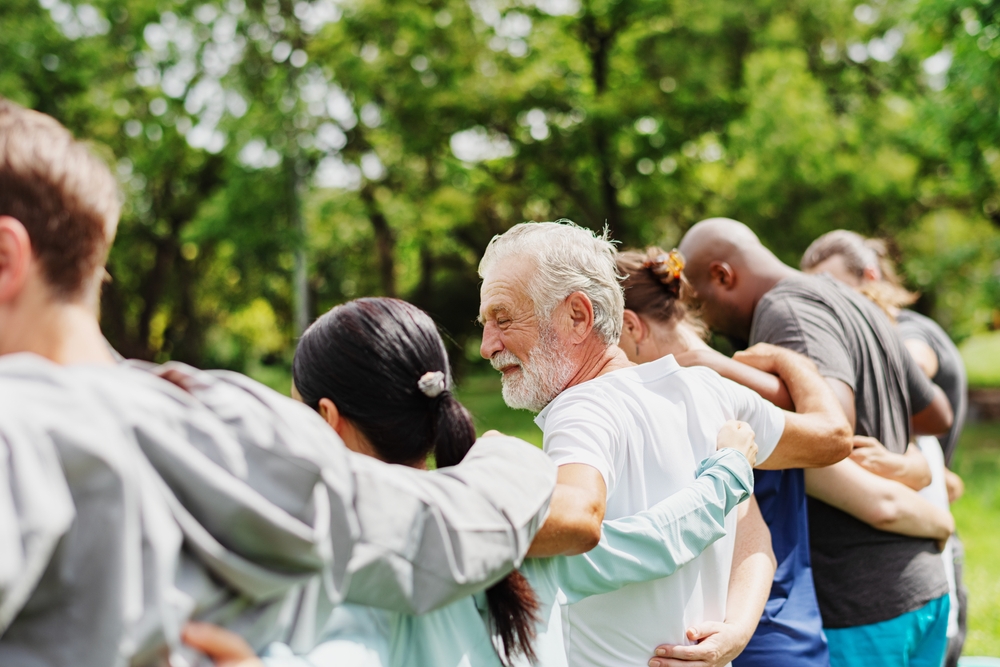
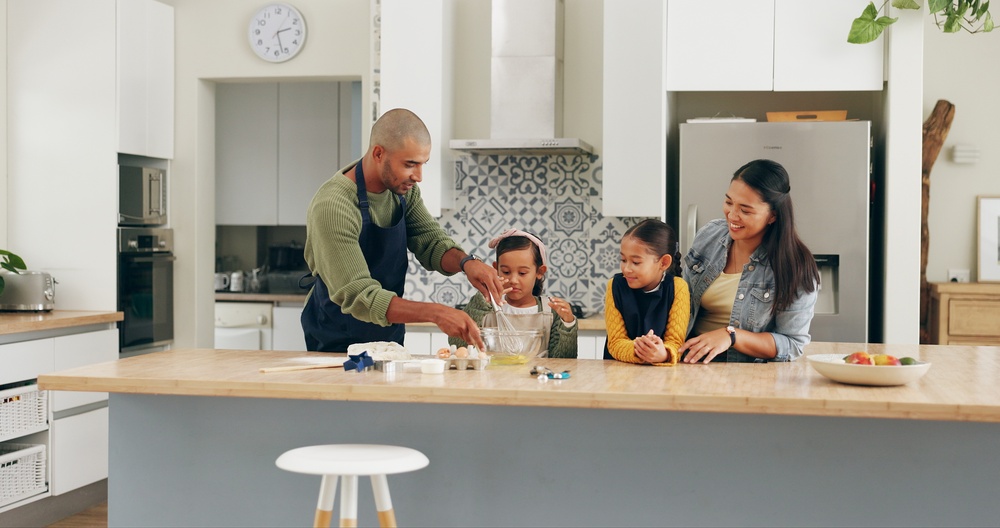
Family wellness challenges can help a household rebuild healthy routines after cancer treatment without making recovery feel like another medical assignment. The best challenges are simple, short, and shared. They give the survivor, caregiver, and children a way to practice healthy habits together while still respecting energy limits, medical instructions, and the normal unpredictability of…

Faith-Based Encouragement for Caregivers

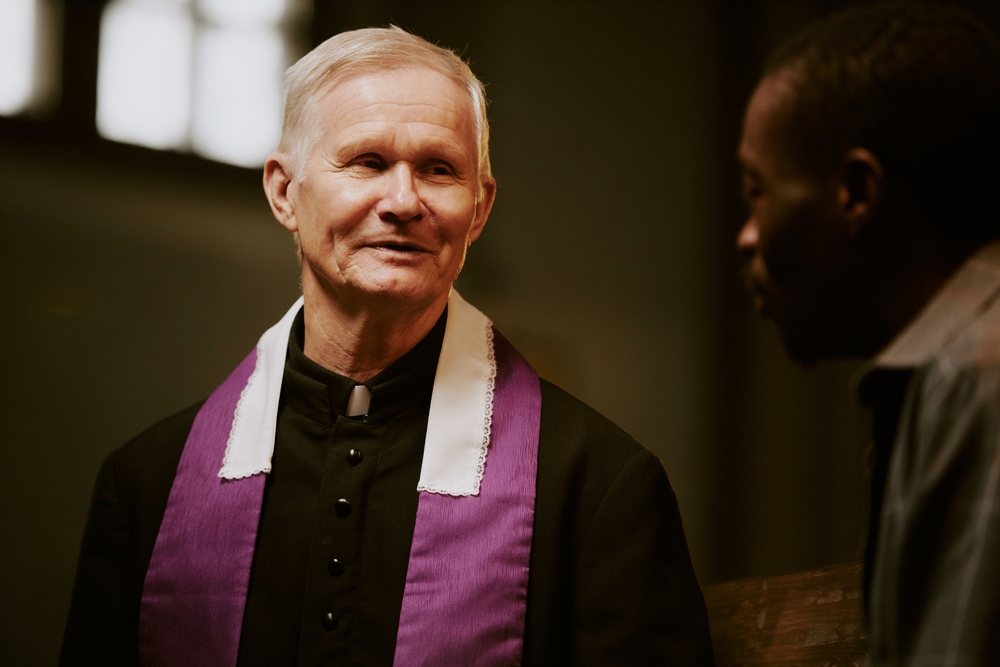
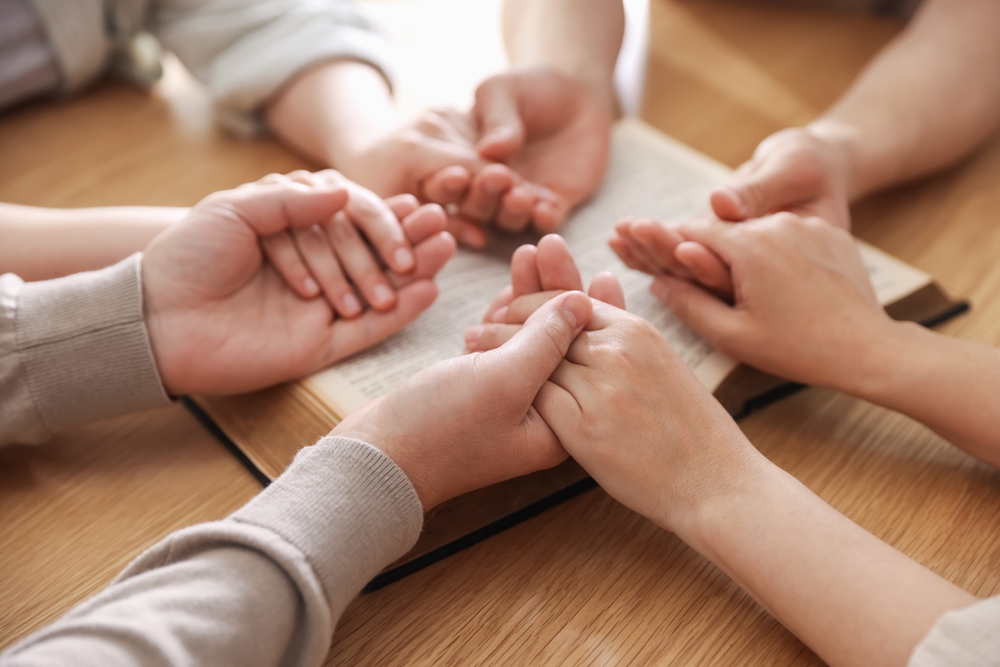
Faith-based support can give caregivers and survivors a place to be known, prayed for, helped, and strengthened during cancer recovery. For many families, church is already part of life. For others, cancer becomes the season when they realize they need more support than they can provide on their own. A pastor, small group, prayer team,…

Community Support Strategies

Community support works best when people know what the family actually needs. After cancer treatment, many friends, relatives, church members, neighbors, and coworkers want to help, but they may not know what to offer. Some disappear because they are uncomfortable. Others check in often but only ask general questions. A few may offer advice the…

Helping Children Understand Cancer Recovery

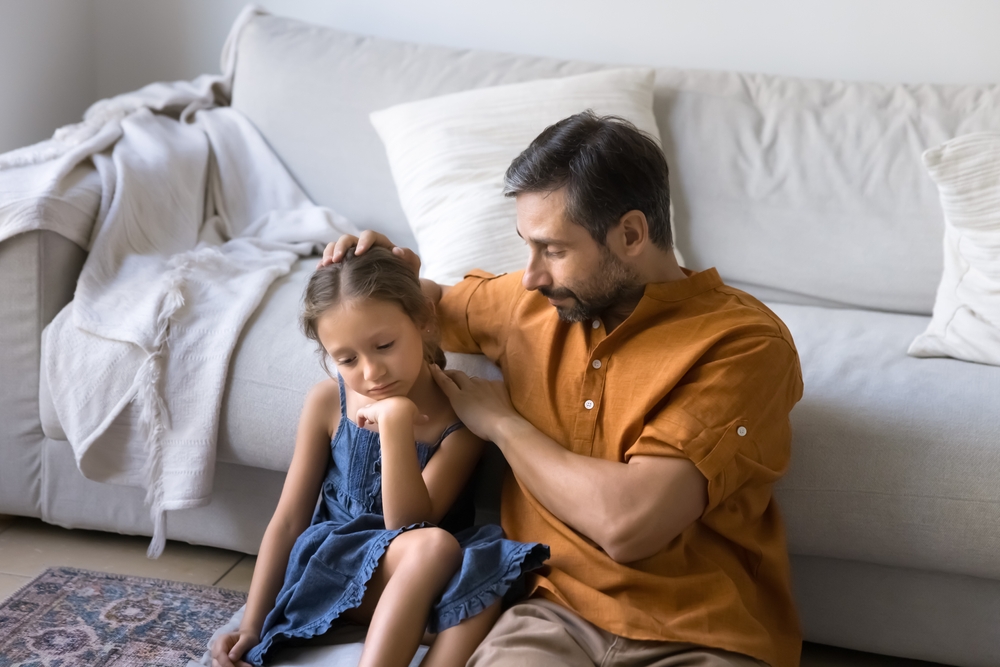
Children often understand more than adults expect, but they may misunderstand what they are not told. After cancer treatment, a child may notice fatigue, scars, hair changes, appointments, quiet conversations, emotional tension, or limits on family activities. If no one explains what is happening, the child may fill in the blanks with fear, guilt, or…

Family and faith support can help recovery feel less isolated. You can help by speaking honestly with children, building healthy routines together, asking for specific support, and protecting the survivor’s privacy. A steadier household gives everyone more room to heal and keep going.

Welcome, Cancer Caregivers!

The Cancer Caregivers Network™ is a free, searchable resource of cancer healthcare professionals and related support services in your area and across the country.
Cancer Caregivers Network
crosschevron-downchevron-leftchevron-right