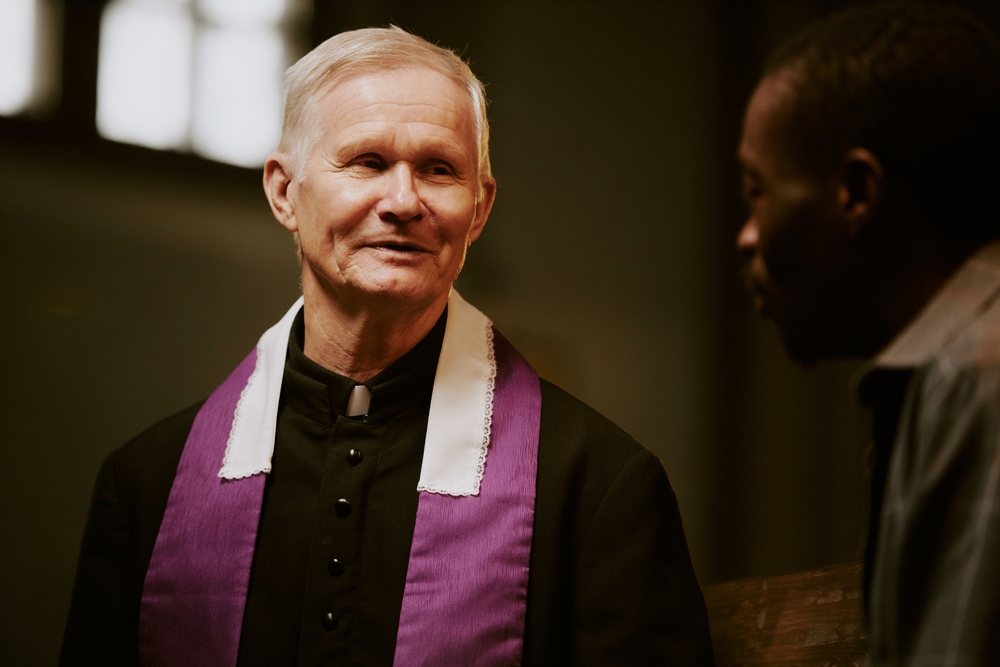
Faith-based support can give caregivers and survivors a place to be known, prayed for, helped, and strengthened during cancer recovery.
For many families, church is already part of life. For others, cancer becomes the season when they realize they need more support than they can provide on their own. A pastor, small group, prayer team, church friend, chaplain, or support organization may be able to offer steady care when the household is tired and stretched.
This kind of support works best when it becomes practical. Encouragement matters, but so do meals, rides, childcare, hospital visits, help with errands, quiet companionship, and people who remember to check in after the first wave of concern has passed.
If the family already belongs to a church, that is often the best place to begin.
A caregiver can contact a pastor, elder, deacon, small group leader, ministry coordinator, or trusted church friend and explain what kind of help would actually be useful. Many churches want to help but need clear direction.
Specific requests are easier to answer:
A general update may bring sympathy. A specific request can bring support.
Caregivers often become the communication hub for everyone. That can be exhausting.
One helpful step is asking a trusted person from the church or support circle to serve as a point person. This person can organize meals, coordinate volunteers, share approved updates, manage a prayer list, or help screen offers of support.
This protects the caregiver from having to answer the same questions repeatedly. It also helps the survivor avoid feeling overwhelmed by too many calls, visits, or messages.
The point person should understand the family’s privacy preferences. Some families are comfortable sharing details widely. Others prefer simple updates such as, “The appointment went well,” or, “Please pray for rest and clarity this week.”
A small group, men’s group, Sunday school class, Bible study, or prayer group can become an important layer of support.
These groups often know the family better than the larger church does. They may understand the household’s routines, children, work pressures, and personality. That familiarity can make support feel less formal and more personal.
Caregivers can ask the group for practical help without turning every gathering into a medical update. A brief, honest request is usually enough:
“We could use meals on treatment follow-up days.”
“I need someone to check in with me once a week.”
“Please pray for the scan next Tuesday.”
“We may need help with the kids during appointments.”
The best church support often comes from people who are willing to stay involved after the crisis feels less urgent to everyone else.
Cancer recovery can raise spiritual questions that are difficult to answer alone.
A survivor may wrestle with fear, grief, anger, gratitude, guilt, or uncertainty about the future. A caregiver may feel pressure to be strong while privately carrying his own questions. A pastor, chaplain, or trained spiritual care provider can offer prayer, Scripture, listening, and counsel without requiring the family to explain everything from the beginning.
Hospitals and cancer centers may also have chaplains available, even for people who are not currently admitted. Some chaplains serve people from many religious traditions and can help connect families with additional spiritual or emotional support.
Pastoral care can be especially helpful before major appointments, after difficult news, during long recovery periods, or when the family feels spiritually worn down.
Some churches, hospitals, cancer centers, and community organizations offer cancer support groups with a faith-based or spiritually sensitive approach.
These groups may serve survivors, caregivers, spouses, or families. Some meet in person. Others meet online. Some are organized around a specific cancer type, while others are open to anyone affected by cancer.
A faith-based support group can give caregivers and survivors a place to speak honestly with people who understand both the medical strain and the spiritual weight of cancer recovery.
When considering a group, ask:
A good group should leave the survivor or caregiver feeling less alone, not more fearful or ashamed.
Faith-based support does not have to replace medical or professional cancer support. The two often work best together.
National and local cancer organizations may offer support groups, counseling, resource navigation, caregiver education, peer mentoring, transportation help, financial guidance, or referrals. Some are faith-based. Others are not explicitly religious but still provide valuable emotional and practical support.
Caregivers can ask the oncology social worker, nurse navigator, hospital chaplain, church office, local cancer center, or primary care office for recommendations.
Helpful places to ask include:
The goal is to build a support network that fits the family’s actual needs.
Not every well-meaning comment feels helpful.
Some survivors and caregivers are strengthened by Scripture, prayer, worship music, and spiritual conversation. Others may need practical help first and spiritual conversation later. Some may be too tired for long visits but grateful for a short prayer or quiet presence.
Caregivers can help protect the survivor by setting expectations.
That might sound like:
“She would appreciate a short visit, but please keep it under twenty minutes.”
“We are grateful for prayer, but we are not ready to discuss details.”
“He would enjoy normal conversation today.”
“What would help most is practical support this week.”
Clear guidance helps others offer encouragement in ways the family can actually receive.
Churches and support groups often focus naturally on the person who had cancer. The caregiver may receive concern at first, then slowly disappear into the background.
Caregivers need support too.
A man who is managing appointments, work, children, household responsibilities, and his own fear may need a trusted friend, pastor, men’s group, counselor, or caregiver support group where he can speak honestly. He may need someone to ask how he is sleeping, whether he is getting help, and whether he has had a break.
Caregiver support should be specific. A church member might take him to breakfast, call every Friday, cover a practical task, or sit with the survivor so he can rest.
A supported caregiver is usually better able to provide steady care.
Many families receive strong support at diagnosis and during treatment, then notice that help fades during recovery. This is often when support is still needed.
A caregiver can help by creating a simple rhythm:
This keeps the family from having to rebuild the support system every time a new need appears.
Faith-based support should encourage wise medical care.
A healthy church, ministry, or support group will respect the survivor’s healthcare team, follow-up plan, medications, and professional guidance. Prayer and practical care can stand alongside doctor visits, counseling, physical therapy, nutrition guidance, and medical treatment.
Be cautious with anyone who pressures the survivor to stop treatment, reject medical advice, hide symptoms, avoid counseling, or believe that fear and sadness mean weak faith.
Good spiritual support helps the family face reality with courage, not denial.
Cancer recovery is easier when support reaches beyond the walls of the home.
A caregiver does not have to build that support all at once. He can begin with one conversation: a pastor, a small group leader, a trusted friend, a hospital chaplain, or a social worker who knows local resources.
Ask for specific help. Protect the survivor’s privacy. Include the caregiver’s needs. Use professional cancer resources when they are helpful. Stay connected to people who offer both truth and tenderness.
Faith-based support becomes powerful when it helps the family carry real burdens in real ways.
