Food can feel complicated after cancer treatment. Survivors and caregivers may hear strong opinions about sugar, meat, supplements, fasting, organic foods, “anti-cancer” diets, and miracle ingredients. Some advice is helpful. Some is exaggerated. Some is confusing or unrealistic for normal family life.
The best place to begin is with a simple truth: nutrition after cancer is not about finding one perfect diet. It is about building a steady pattern of eating that supports healing, strength, energy, healthy weight, and long-term health.
No meal plan can guarantee that cancer will not return. But food choices do matter. A healthy eating pattern can support the body after treatment, help manage other health risks, and make it easier for survivors to stay active and engaged in life.
For caregivers, this is an area where practical support can make a real difference. You do not need to become a gourmet chef or nutrition expert. You can help make healthy eating easier, more consistent, and less stressful.
A healthy cancer-prevention eating pattern is usually built around simple, familiar foods:
This pattern can fit many cuisines. It can look like chicken and vegetables, beans and rice, vegetable soup, stir-fry, tacos with beans and salsa, lentil curry, salmon with roasted potatoes, oatmeal with fruit, or a Mediterranean-style salad.
The goal is not to force every family into one style of cooking. The goal is to improve the pattern within the foods your family already knows and enjoys.
One of the easiest rules of thumb is the plate method.
For many meals, aim for:
This does not need to be exact. Soup, casseroles, sandwiches, and mixed dishes do not always fit neatly on a plate. But the basic idea still works: include more plant foods, enough protein, and a reasonable portion of starch.
For example, a pasta meal can include whole-grain pasta, tomato sauce, vegetables, beans or lean meat, and a side salad. A taco night can include beans, grilled chicken or fish, vegetables, salsa, avocado, and whole-grain tortillas. A breakfast plate can include eggs, fruit, whole-grain toast, and vegetables.
The plate method helps families build balanced meals without counting every calorie or measuring every bite.
Fiber is one of the most useful nutrition goals because it naturally points families toward healthier foods.
Fiber is found in plant foods such as vegetables, fruits, beans, lentils, oats, whole grains, nuts, and seeds. These foods help support digestion, fullness, blood sugar control, heart health, and overall wellness.
A simple rule of thumb is to include at least one high-fiber food at most meals.
Good examples include:
Caregivers can make this easier by keeping ready-to-use fiber foods available: canned beans, frozen vegetables, bagged salads, apples, oats, and whole-grain wraps.
Protein helps the body maintain muscle, repair tissue, support the immune system, and recover strength after treatment.
Good protein options include fish, poultry, eggs, beans, lentils, tofu, Greek yogurt, cottage cheese, nuts, seeds, and lean meats. Some survivors may need more protein during recovery, especially if they lost weight, lost muscle, or are rebuilding strength.
A practical rule is to include a protein source at each meal.
This might mean eggs at breakfast, chicken or beans at lunch, fish at dinner, or yogurt as a snack. For survivors with poor appetite, smaller protein-rich meals or snacks may be easier than large meals.
If swallowing problems, nausea, taste changes, kidney disease, weight loss, or digestive issues are present, ask the healthcare team or a registered dietitian for individualized guidance.
A plant-forward diet does not have to mean vegetarian. It means vegetables, fruits, beans, whole grains, nuts, and seeds show up often and in meaningful amounts.
One useful goal is to add, not just subtract.
Instead of beginning with a long list of forbidden foods, ask:
Small additions can change the overall pattern without making meals feel restrictive.
Processed meats such as bacon, sausage, hot dogs, deli meats, and many cured meats are best kept rare or avoided when possible.
Red meats such as beef, pork, and lamb do not have to be the center of the plate. If your family eats red meat, consider smaller portions and less frequent meals. You can stretch familiar dishes by adding beans, mushrooms, vegetables, or whole grains.
For example, chili can use more beans and less beef. Tacos can include black beans, chicken, fish, or lentils. Burgers can be served with a large salad, roasted vegetables, or a bean-based side instead of making meat the whole meal.
This approach is realistic. It does not require every family to abandon familiar foods overnight. It simply shifts the balance.
The concern with sugar is often misunderstood. Sugar does not “feed cancer” in the simple way people sometimes claim. But sugary drinks, desserts, and ultra-processed snack foods can make it harder to maintain a healthy weight and may crowd out more nourishing foods.
A practical goal is to reduce the foods and drinks that are easy to overconsume and low in nutrition.
Start with drinks. Water, unsweetened tea, sparkling water, or lightly flavored water are better everyday choices than soda, sweet tea, energy drinks, or frequent juice.
For snacks, aim for options that provide some nutrition: fruit, nuts, yogurt, hummus, vegetables, peanut butter on whole-grain toast, or leftovers from a balanced meal.
Healthy eating fails when it becomes too complicated for real life.
A caregiver can reduce stress by creating a short list of reliable meals. These should be meals the household actually likes, that can be prepared without much thought, and that use ingredients you usually keep on hand.
Examples include:
You do not need thirty healthy recipes. You need a few dependable meals that can carry the week.
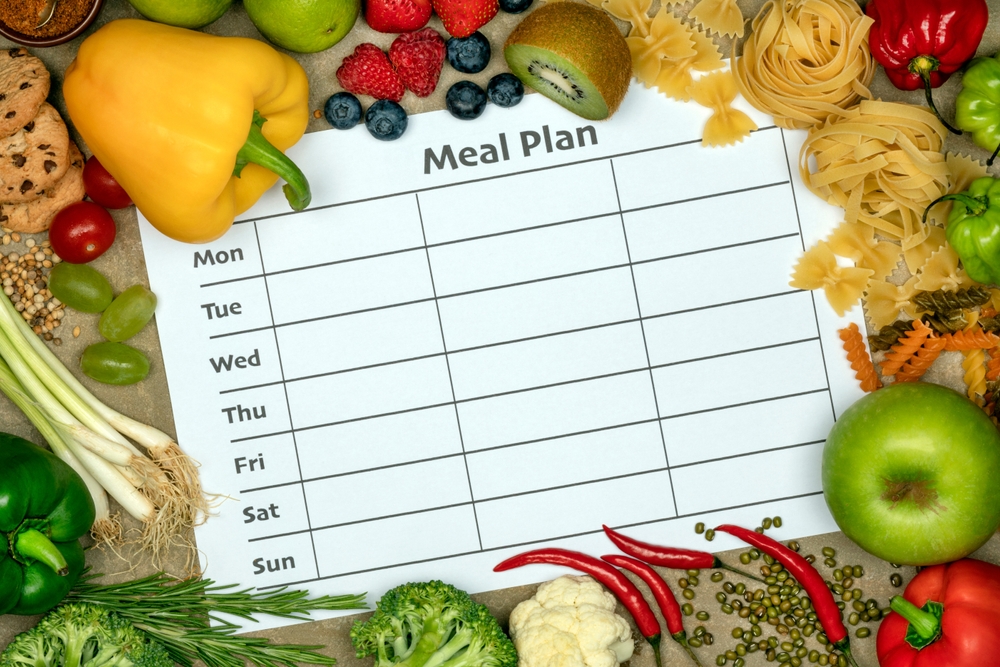
Meal planning does not have to mean preparing every meal from scratch.
A simple weekly rhythm can help:
Backup meals are especially important. Busy families need options for tired nights. A rotisserie chicken with salad, canned soup with added vegetables, scrambled eggs with toast, or frozen vegetables with rice and beans can prevent last-minute fast food from becoming the default.
The goal is not perfection. The goal is having a plan that still works when the day does not go smoothly.
Many survivors are interested in supplements, detoxes, fasting plans, or restrictive diets. Some may be harmless, but others can interfere with medications, worsen weight loss, affect bloodwork, or create unnecessary stress.
Food should usually come first. Supplements should be discussed with the healthcare team, especially if the survivor is taking ongoing cancer-related medication or has kidney, liver, digestive, or immune concerns.
Be especially cautious with any product or diet that promises to prevent recurrence, replace medical care, or “cure” cancer. Survivors deserve hope, but hope should be grounded in truth.
Nutrition is easier when the survivor is not eating differently from everyone else.
Caregivers can help by making healthy meals part of normal family life. That may mean keeping fruit on the counter, adding vegetables to shared meals, cooking at home more often, drinking less soda, or taking turns choosing healthy dinners.
This should not feel like punishment. Food is still meant to be enjoyed. Flavor matters. Family traditions matter. Cultural preferences matter. A healthy eating pattern can include herbs, spices, sauces, grilled foods, soups, stews, rice dishes, tacos, curries, pasta, casseroles, and comfort foods prepared in a more balanced way.
The question is not, “What foods do we have to give up forever?”
A better question is, “How can we make the meals we already enjoy a little healthier and more consistent?”
If the family feels overwhelmed, begin with three simple goals:
That might mean water instead of soda, oatmeal instead of pastries, beans instead of processed meat, fruit instead of candy, or a home-cooked meal instead of takeout one extra night per week.
Small changes count when they are repeated.
Nutrition after cancer is not about fear, perfection, or chasing miracle foods. It is about building a pattern that supports strength, energy, recovery, and long-term health.
As a caregiver, you can help make that pattern easier to follow. Not by controlling every bite, but by creating a home where healthy choices are available, normal, and shared.
