Healthy Living & Prevention

Healthy routines are easier to maintain when they fit real life. After cancer treatment, the survivor may be facing fatigue, appetite changes, sleep struggles, stress, or uncertainty about how much activity is safe. Caregivers may also be trying to support better habits while managing appointments, work, children, meals, and household responsibilities.

Here, you’ll learn practical ways to support healthier daily rhythms without turning recovery into pressure. The focus is on simple meals, safe movement, better rest, lower stress, and household habits that make good choices easier to repeat. Healthy living does not have to mean a complete lifestyle overhaul. Often, the strongest changes are the ones the family can keep doing during an ordinary week.
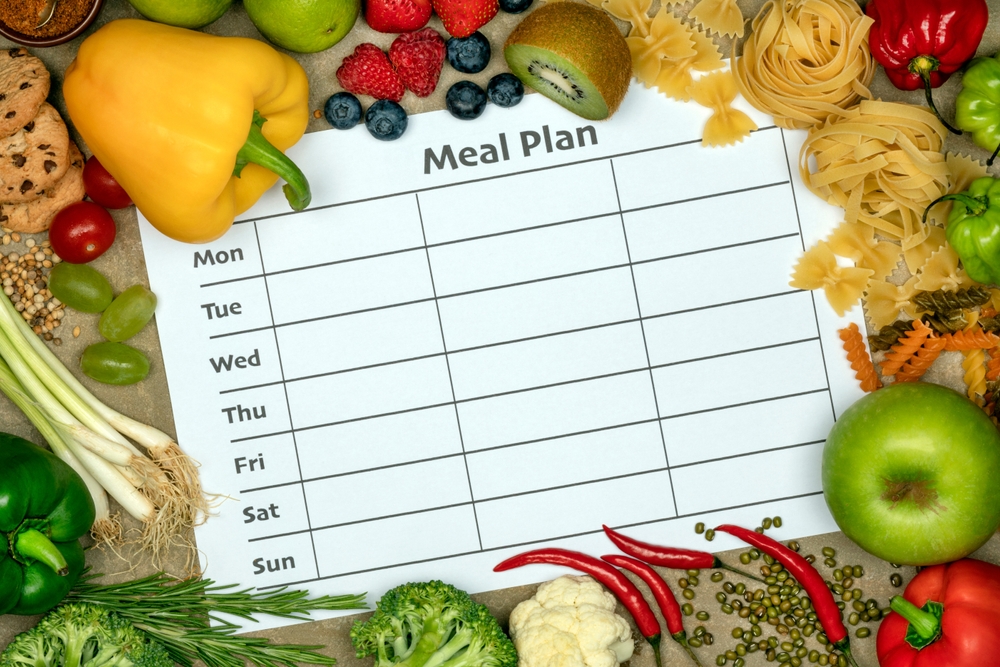

Nutrition & Meal Planning

Food can feel complicated after cancer treatment. Survivors and caregivers may hear strong opinions about sugar, meat, supplements, fasting, organic foods, “anti-cancer” diets, and miracle ingredients. Some advice is helpful. Some is exaggerated. Some is confusing or unrealistic for normal family life. The best place to begin is with a simple truth: nutrition after cancer…

Movement and Physical Activity

After cancer treatment, movement can feel complicated. Some survivors are eager to rebuild strength. Others are exhausted, weak, sore, fearful, or discouraged by how much their body has changed. Caregivers may wonder whether to encourage activity or protect their loved one from doing too much. The good news is that physical activity can be one…

Sleep and Recovery

Sleep is one of the most important parts of recovery after cancer treatment, but it is also one of the easiest to overlook. Families often focus on appointments, scans, medications, nutrition, and physical activity. Those things matter. But healthy sleep supports nearly every part of the recovery process. It helps the body restore energy, regulate…

How Stress Affects Recovery

Cancer recovery does not happen in a vacuum. It happens in real life, with bills to pay, appointments to keep, meals to prepare, children to care for, work to manage, and fears that do not disappear just because treatment has ended. For survivors, stress may come from fatigue, pain, body changes, fear of recurrence, scan…

Healthy living after cancer treatment works best when the household starts small and stays consistent. Caregivers can help by making nourishing food, safe movement, rest, and stress reduction easier to practice. The goal is a healthier daily rhythm the family can actually sustain.

Welcome, Cancer Caregivers!

The Cancer Caregivers Network™ is a free, searchable resource of cancer healthcare professionals and related support services in your area and across the country.
Cancer Caregivers Network
crosschevron-downchevron-leftchevron-right