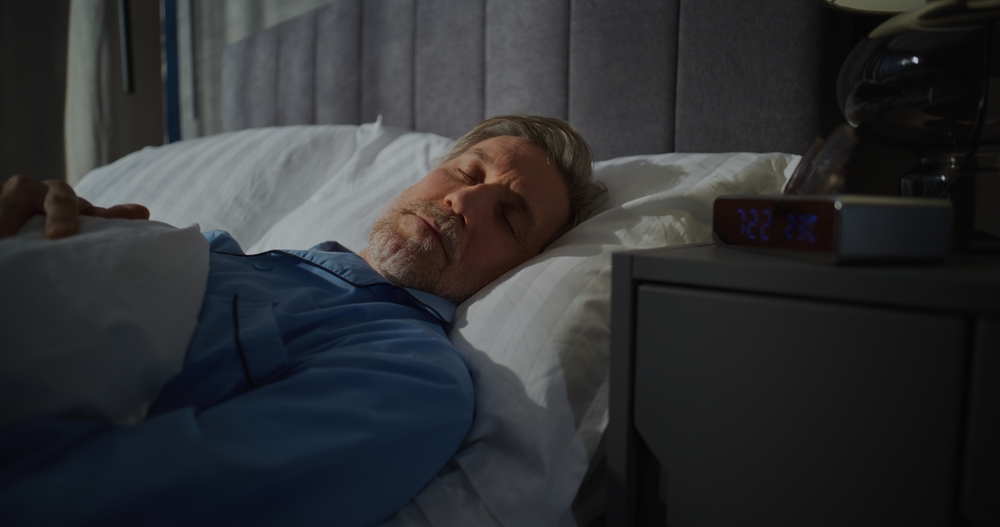
Sleep is one of the most important parts of recovery after cancer treatment, but it is also one of the easiest to overlook.
Families often focus on appointments, scans, medications, nutrition, and physical activity. Those things matter. But healthy sleep supports nearly every part of the recovery process. It helps the body restore energy, regulate mood, manage stress, support immune function, improve concentration, and maintain the strength needed for daily life.
For many survivors, sleep does not return to normal right away. Pain, anxiety, medication side effects, hormone changes, bathroom trips, hot flashes, fatigue, naps, and fear of recurrence can all interfere with rest. Caregivers may struggle too, especially if they are listening for symptoms, managing nighttime needs, or carrying their own stress quietly.
Sleep problems are common after cancer. They are also worth taking seriously.
Sleep is not wasted time, but active recovery.
During sleep, the body carries out important work that affects healing, energy, mood, metabolism, memory, and immune function. A survivor who sleeps well may be better able to participate in physical activity, prepare and enjoy nourishing meals, manage emotions, think clearly during appointments, and follow the care plan.
Poor sleep can make recovery harder. It may worsen fatigue, pain sensitivity, irritability, anxiety, depression, appetite changes, and difficulty concentrating. It can also make ordinary problems feel more overwhelming.
This does not mean that sleep alone determines recovery. It does not guarantee that cancer will not return. But healthy sleep gives the survivor a stronger foundation for healing and daily resilience.
Cancer-related fatigue is different from ordinary tiredness. It can last for weeks, months, or even years after treatment. Sometimes rest does not fully relieve it.
Sleep problems can make fatigue worse. Fatigue can also make sleep problems worse. A survivor may nap during the day because they are exhausted, then struggle to sleep at night. They may wake often, sleep lightly, or spend enough hours in bed but still feel unrested.
This cycle can be discouraging.
Caregivers can help by encouraging a steady rhythm rather than expecting an instant fix. A consistent wake time, short planned rests, gentle daytime movement, and a calmer evening routine can gradually support better sleep.
If fatigue is severe, worsening, or interfering with normal life, it should be discussed with the healthcare team. Fatigue may be related to anemia, thyroid problems, medication effects, depression, pain, poor nutrition, sleep apnea, or other treatable issues.
After treatment, many survivors carry fear, grief, uncertainty, or anxiety. These emotions can become louder at night when the house is quiet and the mind has fewer distractions.
Poor sleep can make emotional stress harder to manage. A tired person may feel more anxious, more irritable, more easily discouraged, or less able to cope with normal frustrations. For caregivers, lack of sleep can reduce patience and make it harder to respond calmly.
Healthy sleep does not erase fear, but it can make fear easier to face. A rested survivor is often better able to think clearly, ask good questions, and take the next right step. A rested caregiver is better able to provide steady support without becoming reactive or overwhelmed.
Healthy sleep makes other healthy choices easier.
When people are exhausted, they are more likely to skip walks, reach for convenience foods, miss routines, become isolated, or avoid difficult conversations. When sleep improves, motivation and follow-through often improve too.
This is why sleep should not be treated as separate from nutrition, movement, stress management, and follow-up care. It supports all of them.
A survivor does not need perfect sleep to make progress. But better sleep can make the whole recovery plan feel more manageable.
Sleep hygiene means the habits and environment that support better sleep. It is not a cure for every sleep problem, but it is a good foundation.
Helpful habits include:
A wind-down routine does not need to be elaborate. It might include dimming lights, taking medications as directed, preparing for the next day, reading something calming, praying, stretching gently, or listening to quiet music.
The goal is to teach the body that the day is ending.
Many caregivers hear sleep advice and think, “That sounds nice, but our life is too busy.”
Start with small changes that are realistic.
Try choosing one or two:
Small improvements matter. A perfect routine that never happens is less useful than a simple routine the family can repeat.
For many survivors and caregivers, nighttime worry is one of the biggest barriers to sleep.
A helpful practice is to create a “worry list” before bed. Write down symptoms to track, questions for the doctor, tasks for tomorrow, and concerns that need attention. Once they are written down, remind yourself: “This is recorded. We do not have to solve it tonight.”
Other calming practices may include:
The purpose is not to pretend everything is fine. The purpose is to give the mind a safe place to set down the burden for the night.
Some sleep problems need more than better habits.
Talk with the healthcare team if the survivor or caregiver has:
Sleep problems can have medical causes. They can also be connected to anxiety, depression, medication side effects, hormone changes, pain, or sleep disorders such as sleep apnea.
Asking for help is not overreacting. It is part of good survivorship care.
Caregivers can help by making the household more sleep-friendly.
That may mean helping protect a consistent bedtime, reducing late-night noise, preparing medications earlier, managing evening responsibilities, encouraging a calmer routine, or handling practical tasks before they become nighttime worries.
Caregivers can also model healthy sleep. If the entire household runs on exhaustion, recovery becomes harder for everyone.
Support does not mean policing the survivor’s sleep. It means creating conditions where rest is easier.
Instead of saying, “You need to sleep more,” try:
Small acts of support can lower the pressure around bedtime.
Sleep is not laziness. Rest is not weakness. For a cancer survivor, sleep is part of rebuilding.
A healthy sleep routine cannot control every outcome, and it will not solve every challenge after cancer. But better sleep can improve energy, mood, focus, patience, physical strength, and the ability to keep going.
For caregivers, helping protect sleep is one of the most practical ways to support recovery. It does not require a perfect home or a perfect schedule. It begins with steady habits, a calmer evening, and the belief that rest is not optional—it is part of healing.
