Mental & Emotional Health

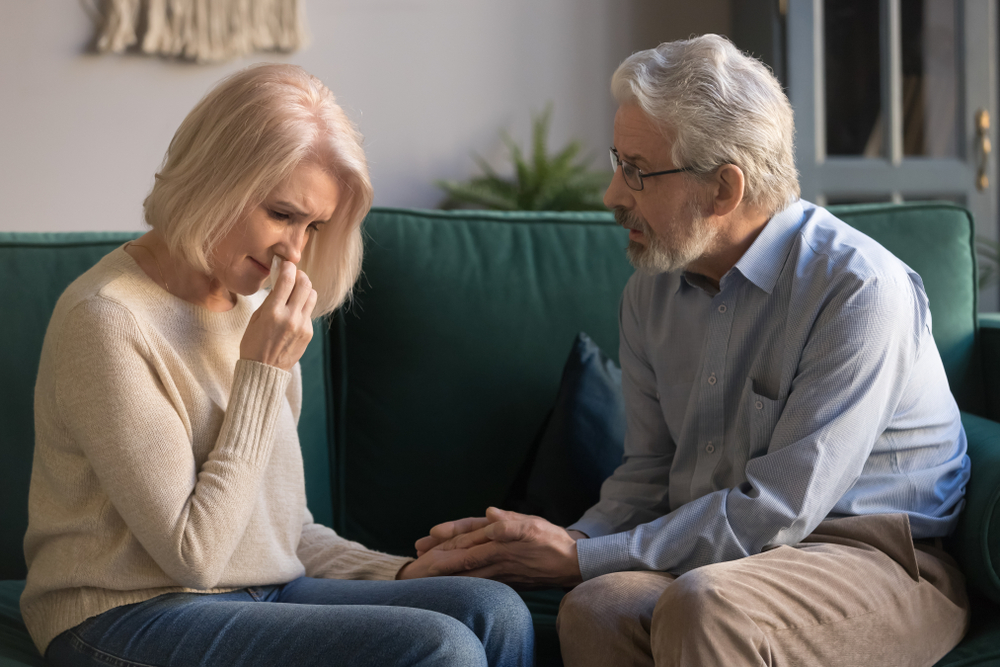
The emotional weight of cancer often continues after treatment ends. Survivors may face fear of recurrence, anxiety, depression, grief, frustration, or a sense that life has not returned to normal. Caregivers may carry their own stress quietly while trying to keep the household steady.

This hub includes resources to help support emotional recovery with patience, honesty, connection, and practical next steps. The focus is on recognizing when emotions need attention, helping without minimizing fear, protecting marriage and family relationships, preventing isolation, and knowing when counseling, pastoral care, support groups, or medical guidance may be needed. Emotional health is not separate from recovery. It affects the survivor, caregiver, and entire household.


Emotional Resilience

Your loved one’s cancer journey was probably a roller-coaster of emotions. Remission is often a huge relief, and many survivors and their caregivers look forward to being able to relax. That sense of relief is appropriate, but cancer recovery often comes with its own set of challenges. Fear of recurrence, lingering side effects, financial pressure,…

Depression & Anxiety After Treatment

Depression and anxiety can appear after cancer treatment, even when the medical news is good. For some survivors, the hardest emotions arrive after the appointments slow down. During treatment, the schedule may have been exhausting, but it also gave each week a clear focus. After treatment, there may be more space to think, remember, worry,…

Supporting a Loved One Through Fear of Recurrence

Fear of recurrence can turn ordinary moments into emotional alarms. A headache, a sore back, a follow-up scan, a lab result, an anniversary of diagnosis, or a comment from someone else can bring the fear back quickly. The survivor may know, logically, that every symptom does not mean cancer has returned. The body may still…

Maintaining Marriage & Family Relationships

Cancer recovery changes the daily life of a household. A husband may become a caregiver. A wife may need help with things she used to handle easily. Children may sense tension even when adults try to protect them from it. Relatives may offer support, advice, pressure, or opinions. Ordinary routines can become tangled with appointments,…

Preventing Isolation

Isolation after cancer treatment often develops gradually. The appointment schedule slows down, friends check in less often, and family members may assume the hardest part is over. Meanwhile, the survivor may still be dealing with fatigue, anxiety, physical changes, or uncertainty about how to return to normal life. The caregiver may still be carrying stress…

Emotional & Spiritual Strength During Recovery

Recovery after cancer often requires emotional strength long after the medical crisis has passed. The survivor may still be dealing with fatigue, fear of recurrence, body changes, pain, uncertainty, or the slow work of rebuilding confidence. The caregiver may be carrying the calendar, the household, the questions, the finances, and his own private worry. Even…

Mental and emotional health deserve steady attention during cancer recovery. You can help by making room for honest feelings, watching for warning signs, encouraging connection, and seeking support when the burden becomes too heavy. A healthier household includes care for both the survivor and the caregiver.

Welcome, Cancer Caregivers!

The Cancer Caregivers Network™ is a free, searchable resource of cancer healthcare professionals and related support services in your area and across the country.
Cancer Caregivers Network
crosschevron-downchevron-leftchevron-right