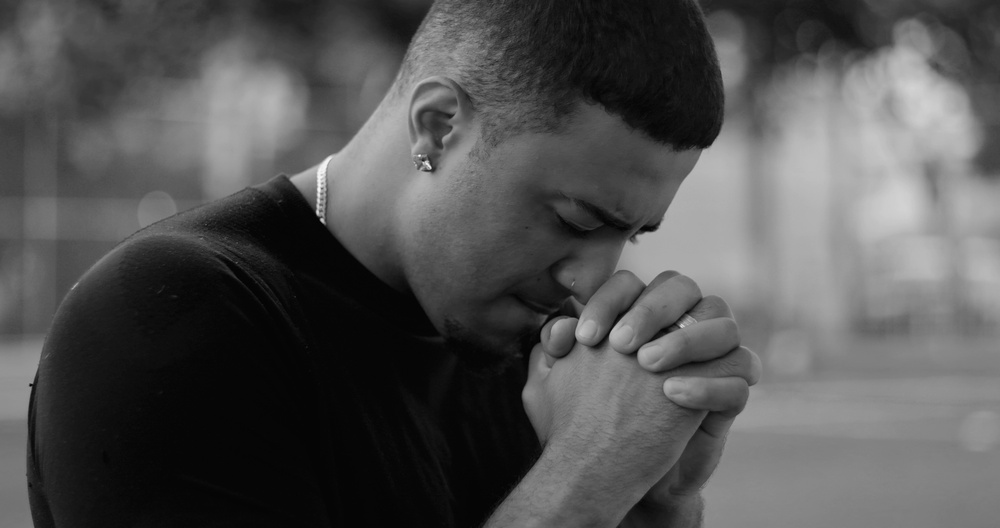
Recovery after cancer often requires emotional strength long after the medical crisis has passed.
The survivor may still be dealing with fatigue, fear of recurrence, body changes, pain, uncertainty, or the slow work of rebuilding confidence. The caregiver may be carrying the calendar, the household, the questions, the finances, and his own private worry. Even when the news is good, the emotional load can remain heavy.
Strength during this season is usually quiet. It grows through honest conversations, steady routines, supportive relationships, and the ability to keep taking the next wise step when the future still feels uncertain.
Many families confuse strength with silence. The survivor may hide fear to protect the family. The caregiver may hide exhaustion because he believes he should be the steady one. Children may notice tension but not know how to ask about it.
Over time, unspoken emotions can become heavier than the conversations everyone is avoiding.
Emotional strength begins with permission to tell the truth. A survivor can be grateful and afraid. A caregiver can be committed and tired. A family can be hopeful and still need help.
Honest words do not need to be dramatic. They may sound like:
These moments give the household a place to start. They also reduce the pressure to perform confidence when what is needed is trust.
Cancer recovery can make life feel reactive. A symptom appears, a scan gets scheduled, a bill arrives, a medication changes, or fatigue interrupts the day. Without a few steady anchors, the household may feel as if it is always responding to the next disruption.
Emotional anchors are simple habits that help the family return to steadiness.
That might include a weekly calendar review, a short morning walk, prayer before appointments, a quiet bedtime routine, a planned family meal, or a regular check-in with someone who listens well. These routines do not need to be impressive. They need to be repeatable.
A caregiver can help by protecting a few of these anchors without turning them into another burden. The point is to lower the emotional pressure in the home, not add more expectations.
For many families, faith is a deep source of strength during recovery. Prayer, Scripture, worship, church community, pastoral care, and trust in God can provide comfort when circumstances feel uncertain.
Faith is most helpful when it leaves room for honest emotion.
A survivor who is afraid does not always need a quick spiritual answer. A caregiver who is exhausted does not need to be told to simply have more faith. Some days, spiritual strength may look like praying with confidence. Other days, it may look like sitting quietly before God with few words.
Caregivers can support spiritual strength by keeping practices simple and sincere. Read a short passage of Scripture. Pray plainly. Attend church when energy allows. Ask a pastor or trusted friend to visit. Accept meals or practical help from the church. Let faith become a place of support rather than another place where the survivor feels judged.
Cancer can leave real losses behind.
A survivor may grieve lost strength, physical changes, fertility changes, sexual side effects, missed work, financial strain, interrupted plans, or the sense of safety they had before diagnosis. A caregiver may grieve too: the strain on marriage, the stress placed on children, the loss of normal routines, or the emotional toll of staying alert for so long.
Grief does not mean the family is unthankful. It means something valuable was affected.
Caregivers can help by allowing grief to be spoken without rushing past it. A simple response such as “I can see why that hurts” may offer more comfort than trying to explain why things could be worse.
When grief is allowed, it often becomes easier to carry. When it is denied, it often leaks out as anger, withdrawal, anxiety, or resentment.
Hope matters during recovery, but families need hope that can survive hard days.
Grounded hope does not depend on pretending every scan will be easy, every symptom will be harmless, or every fear will disappear. It looks more like confidence that the family can face the next step with support, information, and love.
Caregivers can speak this kind of hope in practical ways:
This kind of hope gives direction without making promises no one can guarantee.
Emotional and spiritual strength grows better in community.
Some people bring calm conversation. Some bring meals, transportation, childcare, prayer, or practical help. Some know how to listen without taking over. Others may be able to sit with the survivor so the caregiver can rest.
The caregiver may need to take the lead in asking for specific support. That can feel uncomfortable, especially for men who are used to handling responsibilities quietly. But shared support often protects the whole household from isolation and burnout.
Choose support carefully. Spend more time with people who bring steadiness, honesty, and practical help. Set limits with people who create pressure, offer careless advice, or make the survivor feel smaller.
Emotional and spiritual strength sometimes includes asking for professional care.
The survivor or caregiver should consider reaching out to the healthcare team, a counselor, pastor, social worker, support group, or primary care provider when fear, sadness, anger, guilt, anxiety, or exhaustion begins interfering with daily life.
Pay attention to persistent hopelessness, panic, severe sleep problems, withdrawal from others, increased alcohol or substance use, loss of interest in normal life, or anger that feels hard to control. If anyone talks about wanting to die, being better off dead, or harming themselves, treat it as urgent. In the United States, call or text 988 for the Suicide & Crisis Lifeline, use the 988 online chat, call emergency services, or go to the nearest emergency department.
Getting help is part of caring for the whole person.
Emotional strength is built in the ordinary parts of recovery: a calmer conversation, a better night’s sleep, an honest prayer, a walk after a tense appointment, a phone call to someone who can help, or a decision to pause before speaking harshly.
The caregiver’s role is not to force the household into constant optimism. It is to help create conditions where the survivor and family can tell the truth, receive support, return to steady habits, and keep facing the next day.
Recovery may still bring uncertainty. A stronger household learns how to carry that uncertainty together.
