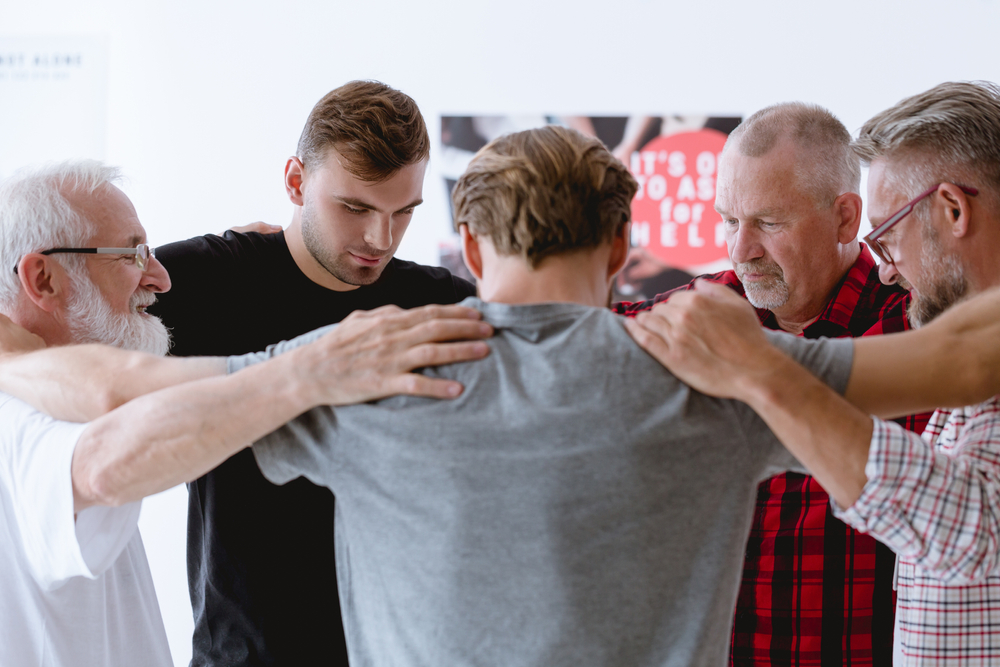
A caregiver leadership cohort gives men a structured place to learn, talk, pray, problem-solve, and grow alongside other caregivers who understand the weight of cancer recovery.
Many male caregivers carry responsibility quietly. They manage appointments, work, children, household needs, medical questions, insurance details, emotional support, and their own private concerns. They may have friends who care about them, but not many who understand what cancer caregiving actually requires day after day.
A cohort gives those men a place to bring the whole picture.
A caregiver leadership cohort is a small group of caregivers who meet regularly for support, education, and practical growth. The group may meet in person, online, or through a local church, hospital, cancer center, nonprofit, or community organization.
The word “leadership” matters. Caregivers are not only reacting to problems. They are often helping guide the household through uncertainty, fatigue, follow-up care, emotional strain, and changing family routines.
A good cohort helps men lead with more clarity, patience, humility, and steadiness.
Caregiving can become isolating when a man believes he has to figure everything out alone.
A cohort gives him a place to compare notes with others, ask honest questions, learn useful skills, and hear from men who are walking a similar road. That kind of support can reduce loneliness and help caregivers make better decisions at home.
A cohort may help men talk through issues such as:
The goal is not to turn caregivers into medical experts. The goal is to help them become steadier, better-supported leaders in their own households.
A caregiver leadership cohort should be simple enough for busy men to attend.
A typical group might meet weekly or monthly for a set number of sessions. Each meeting could include a short teaching topic, guided discussion, practical planning, prayer or reflection, and time for men to share what is happening at home.
Topics might include communication, stress, follow-up care, household routines, emotional resilience, family support, faith, grief, and caregiver burnout.
The best cohorts are practical. Men should leave with something they can use that week: a better question to ask the doctor, a calmer way to handle a hard conversation, a plan for asking for help, or a clearer understanding of what their loved one may be experiencing.
A caregiver may hear good advice from doctors, pastors, counselors, and family members. Peer support adds something different.
Another caregiver can say, “I’ve felt that too.”
That recognition can lower the pressure. It helps a man realize that frustration, fatigue, fear, and uncertainty are not signs that he is failing. They are common parts of carrying a difficult responsibility.
Peer support also brings practical wisdom. Men can share what helped them organize appointments, talk with children, prepare for scans, support their spouse, handle work pressure, or keep healthy routines going during a hard season.
A caregiver leadership cohort may be helpful for men who are supporting a spouse, parent, sibling, friend, or other loved one during cancer treatment or recovery.
It may be especially useful for a man who:
A man does not need to be in crisis to benefit. Cohorts can be helpful before burnout sets in.
A healthy cohort should be respectful, practical, and emotionally safe.
Look for a group that honors medical care, protects privacy, welcomes honest conversation, and avoids pressure to perform strength. The group should make room for different personalities and caregiving situations. Some men will talk easily. Others may need time before opening up.
A good cohort should also have clear expectations. Participants should know when the group meets, how long it lasts, who leads it, what topics will be covered, and how personal information will be handled.
If the group is faith-based, it should use faith as support rather than pressure. Men should be able to bring real questions, fatigue, and fear without being shamed.
Churches, cancer centers, nonprofits, and community organizations can serve caregivers by creating small, consistent spaces for men to gather.
A cohort does not need to be complicated. Start with a manageable group size, a clear schedule, a trained or trusted facilitator, and a practical topic for each meeting. Provide simple take-home tools such as discussion questions, planning worksheets, symptom trackers, appointment checklists, or caregiver self-checks.
The group should also know its limits. A cohort can provide support, education, prayer, and connection, but it should not replace medical care, counseling, or crisis support. Leaders should know when to refer someone to a doctor, social worker, counselor, pastor, or emergency resource.
Caregiving asks men to lead in a season they may not have chosen and may not feel prepared for.
A caregiver leadership cohort gives them a place to become more prepared. It offers support before isolation deepens, guidance before confusion takes over, and community before the burden becomes too heavy.
Cancer affects the whole household. When caregivers are supported, families are usually better supported too.
