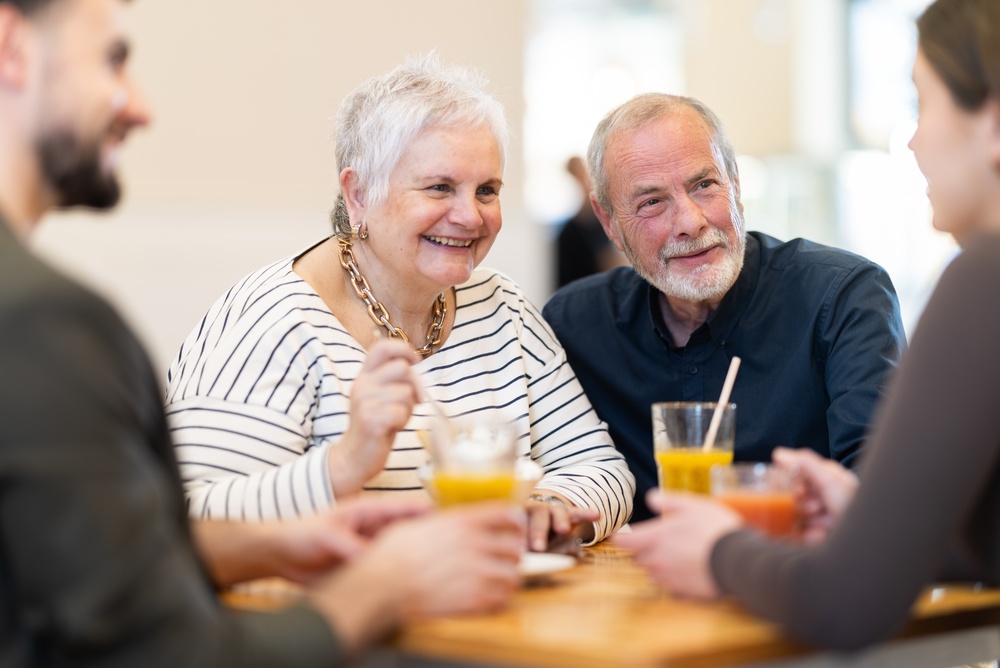
A community wellness day gives cancer survivors, caregivers, families, churches, and local organizations a practical way to support healthier living after treatment.
The event does not need to be large or complicated. At its best, it brings useful resources into one place: simple education, health screenings when appropriate, caregiver support, family activities, prayer or encouragement, and connections to local services. For men caring for a loved one after cancer, a wellness day can provide both information and relief. It can also remind the family that recovery is not meant to happen in isolation.
A community wellness day should focus on practical support families can use.
Depending on the setting and available partners, it might include short teaching sessions, resource tables, blood pressure checks, nutrition demonstrations, walking groups, caregiver workshops, children’s activities, prayer support, mental health resources, or help connecting with local services.
The most helpful events usually keep the content simple. A survivor or caregiver should be able to leave with a clearer next step: a support group to try, a question to ask the doctor, a healthy meal idea, a follow-up tracker, a contact for counseling, or a local person who can help with transportation or respite care.
A wellness day does not replace medical care. It helps families find support around the care plan they already have.
Cancer recovery affects the entire family.
A wellness day should not focus only on the survivor’s medical history. It can also address the caregiver’s stress, children’s questions, household habits, marriage strain, faith support, meal planning, sleep routines, physical activity, and community help.
This broader focus matters because healthy recovery is shaped by daily life. A family may need help with groceries, childcare, fatigue, emotional pressure, or isolation as much as they need another brochure about cancer. When a wellness day includes the household, the survivor is less likely to feel singled out and the caregiver is less likely to feel invisible.
The strongest wellness days usually involve more than one organization.
A church may provide space, volunteers, prayer support, and family connection. A hospital or cancer center may provide education, nurse navigation, survivorship resources, or referrals. A local gym, physical therapist, dietitian, counselor, social worker, hospice or palliative care team, nonprofit, or public health organization may offer specific guidance within their area of expertise.
Each partner should stay within the limits of its role. Medical questions should be directed to qualified professionals. Volunteers should not give treatment advice, interpret symptoms, or pressure families toward unproven approaches.
A well-run event respects both faith and medical care.
Caregivers are often busy, tired, and reluctant to add another event to the calendar. A wellness day should be designed with that reality in mind.
Keep sessions short. Offer clear start and end times. Provide seating. Make childcare or family-friendly activities available if possible. Use simple signage. Avoid long registration processes. Give caregivers practical take-home tools rather than too much information at once.
Useful handouts might include:
A caregiver should leave feeling more organized, not overloaded.
Many families need a place to speak honestly about fear, fatigue, grief, and uncertainty.
A wellness day can include quiet spaces for prayer, pastoral care, caregiver conversations, or referrals to counseling and support groups. This support should be gentle and voluntary. Some people will want spiritual conversation. Others may only want practical resources. Both should be respected.
Faith-based support is most helpful when it listens well, protects dignity, and offers concrete help. A prayer table, pastoral care room, or church resource area can be valuable when families know they are free to engage at their own pace.
The tone of the event matters.
Survivors may already feel that too much of life revolves around cancer. A wellness day should provide useful information while also making room for normal human connection. Music, coffee, simple food, children’s activities, walking groups, conversation areas, and low-pressure resource tables can help the day feel less clinical.
Avoid turning the event into a long series of warnings. Families need honest information, but they also need a setting that feels welcoming and humane.
Cancer is personal. Some survivors are open about their diagnosis. Others prefer to keep details private.
Registration forms, prayer requests, small group discussions, and resource conversations should be handled carefully. Volunteers should be trained not to ask intrusive questions, share stories without permission, or discuss someone’s medical details with others.
A simple privacy guideline can help: let the survivor or caregiver decide what they want to share.
A wellness day should not end when the tables are packed up.
Families may need a support group, a church contact, a caregiver cohort, a meal ministry, a counselor referral, a transportation option, or a local cancer resource. Give attendees a simple way to stay connected.
That might include a follow-up email, a printed resource list, a monthly caregiver group, a church contact card, or a schedule of future events. If the community offers ongoing programs, make those next steps easy to find.
The value of a wellness day often depends on what happens afterward.
Community wellness days can help turn concern into service.
They give churches, nonprofits, healthcare partners, and volunteers a structured way to support survivors and caregivers. They also give families a place to find resources before they are in crisis.
For a caregiver, attending a wellness day may lead to one helpful conversation, one useful tool, one local contact, or one new source of support. That may be enough to make the next week feel more manageable.
Cancer recovery is daily work. A good community wellness day helps make that work less lonely and better supported.
